Newsletter Subscribe
Enter your email address below and subscribe to our newsletter

 ByJohn A
Clear boat windows and enclosure panels provide visibility while helping protect passengers from wind, water spray, and changing weather conditions. Over time, however, salt deposits, dirt, sunlight, and everyday handling can affect their appearance. Scratches and surface haze may reduce clarity, making proper cleaning and maintenance important for preserving transparent marine surfaces.
Using a suitable plastic scratch remover may help reduce certain surface marks on compatible plastics. However, results depend on the material, the depth of the scratches, and the product’s intended application. Understanding these factors can help boat owners select suitable care products and avoid methods that could cause further damage.
A plastic scratch remover is a product designed to improve the appearance of certain surface imperfections on compatible plastic materials. Depending on its formulation, it may help reduce the visibility of minor scratches and restore some surface clarity.
Marine enclosure panels require careful treatment because rigid acrylic, flexible clear vinyl, and other transparent plastics have different characteristics and maintenance requirements.
Plastic scratch removers use formulations designed to treat surface imperfections. Some contain polishing agents or mild abrasives that refine the surface, while others use different approaches to improve its appearance.
The results depend on the product formulation, the condition of the plastic, and the severity of the damage. Light surface marks may respond better than deep scratches, cracks, or extensive deterioration. A scratch remover should not be considered a guaranteed solution for every type of damage.
Certain scratch removers are suitable for specific acrylic surfaces or other compatible plastics. Marine applications may include transparent boat windows, enclosure panels, and protective plastic components.
However, compatibility varies by product. A treatment designed for rigid acrylic should not automatically be used on flexible clear vinyl, polycarbonate, or every material described as isinglass. Identify the surface and check the manufacturer’s recommendations before applying a product.
Cleaning removes contaminants such as salt, dirt, and oily residue. Polishing helps improve surface appearance and may reduce some minor imperfections. Scratch removal specifically targets visible marks that remain after ordinary cleaning.
These processes serve different purposes. Cleaning should generally come first because polishing a dirty surface can drag abrasive particles across the plastic and create additional scratches.
Marine environments expose clear plastic surfaces to salt, airborne debris, sunlight, and frequent handling. Understanding these causes helps boat owners prevent avoidable damage and choose appropriate maintenance methods.
Salt deposits and fine particles can collect on enclosure panels during regular use. If these contaminants are wiped away without rinsing, they may rub against the surface and leave scratches.
Rinsing loose debris away before cleaning is an important preventive measure. Regular care also helps remove deposits before they become more difficult to clean.
Rough towels, abrasive pads, paper products, and dirty cloths can scratch certain transparent plastics. Even a soft microfiber cloth may cause damage if it contains trapped grit.
Use clean, nonabrasive materials recommended for the panel type. Avoid vigorous scrubbing, especially on surfaces where small marks can affect visibility.
Prolonged sunlight and environmental exposure can affect the appearance of plastic panels. Depending on the material and its condition, the surface may develop haze, discoloration, or other signs of deterioration.
Cloudiness is not always caused by scratches. Residue, surface wear, and material degradation can produce similar symptoms. Identifying the cause helps determine whether cleaning, polishing, or professional assessment is appropriate.
Repeated cleaning, contact with hardware, and improper storage can gradually mark enclosure panels. Removable sections may also rub against other surfaces when folded, rolled, transported, or stored incorrectly.
Careful handling and suitable storage methods help reduce unnecessary contact and preserve the panel’s condition.
Before using a scratch remover, consider the material, the type of damage, and the product’s intended application. An unsuitable treatment may worsen the finish or produce an uneven appearance.
Rigid acrylic, flexible clear vinyl, polycarbonate, and materials commonly described as isinglass do not necessarily respond to the same treatments. Their flexibility, surface characteristics, and chemical compatibility can differ.
Check the enclosure documentation or consult the manufacturer to identify the material. If the surface type is uncertain, confirm its compatibility before applying a scratch remover.
Some scratch removers use polishing agents to address minor surface imperfections. Their suitability depends on the formulation and the plastic being treated.
Check the product label for approved materials, application methods, and restrictions. Do not assume that a product suitable for one type of plastic will work safely on another.
Deep scratches, cracks, crazing, severe discoloration, and extensive deterioration may not respond to ordinary scratch-removal products. Aggressive polishing can make these problems worse.
If the damage affects visibility or panel integrity, seek professional advice about repair or replacement. Safe operation and clear visibility should take priority over cosmetic improvement.
Read the instructions carefully before treatment. Confirm the recommended applicator, application technique, precautions, and approved surfaces.
Where permitted, test the product on a small, inconspicuous area first. Inspect the result before treating a larger section, and stop if the surface develops unexpected marks or changes.
The correct process depends on the product and panel material. These general steps emphasize preparation, careful application, and inspection. Always follow the specific product instructions if they differ from this guidance.
Rinse the panel with fresh water to remove loose salt and grit. Avoid rubbing a dry or visibly dirty surface because particles can scratch the plastic during cleaning.
If further washing is necessary, use a cleaner approved for the material and rinse away residue before proceeding.
Choose a clean microfiber cloth or another applicator recommended by the manufacturer. Check that it contains no grit, dried residue, or loose particles.
Keep a separate clean cloth available for removing product residue if required. Clean applicators help reduce the risk of introducing additional scratches.
Follow the product instructions regarding the amount to use and the application method. Some formulations are applied directly to the surface, while others may specify a different procedure.
Avoid applying excessive product or pressure. Controlled application is preferable to aggressive treatment.
Treat manageable areas using the recommended technique. Avoid extending the treatment unnecessarily beyond the affected section, and use only the specified pressure.
Do not use power tools or abrasive accessories unless the manufacturer explicitly approves them for the particular product and surface.
Remove residue as directed, using a clean cloth if required. Inspect the treated area under suitable lighting to assess whether the scratch has improved.
If the mark remains, do not automatically increase pressure or repeat the treatment. Check whether additional applications are permitted and stop if the surface shows signs of damage.
After scratch treatment, use a compatible cleaner or polish only when recommended. These products may help maintain the surface, but they are not necessarily substitutes for scratch removal.
Confirm that any follow-up product is suitable for the material and compatible with the treatment already used.
Careful preparation and product selection are essential for maintaining clear marine panels. Avoiding common mistakes helps reduce the risk of further surface damage.
Some household glass cleaners and solvents contain ingredients that may be unsuitable for acrylic or flexible vinyl. Depending on the formulation and material, they may affect the finish or contribute to deterioration.
Choose products approved for the specific surface instead of assuming that all transparent panels can be cleaned like ordinary glass.
Scrubbing too hard or using abrasive pads can create additional marks. Aggressive polishing may also affect the surface unevenly.
Follow the recommended application technique and avoid improvised tools that have not been approved for the material.
Wiping salt, sand, or debris away without rinsing can drag particles across the panel. This can cause scratches even when using a soft cloth.
Rinse the surface first and keep cleaning materials free from contaminants.
Never assume that every plastic care product works on every marine enclosure material. Review the product label and confirm suitability before application.
When compatibility is unclear, consult the product manufacturer or a qualified marine enclosure professional.
Scratch removers, cleaners, and polishes have different purposes. Choosing the right product starts with identifying whether the problem is ordinary contamination, minor scratching, or more extensive damage.
See also: How Can Professional Web Design Help Businesses Grow Online?
A scratch remover may be appropriate when cleaning has removed dirt and residue but minor surface marks remain. Effectiveness depends on the product formulation, plastic type, and severity of the scratches.
Always verify compatibility and follow the recommended application process.
Routine cleaning is appropriate for removing salt, dirt, and everyday contaminants. A compatible polish may help maintain the appearance of a surface that is already in reasonable condition.
Neither product should be expected to repair cracks or resolve every type of cloudiness.
Consistent cleaning, careful handling, and proper storage can help preserve the appearance of clear panels after treatment. Following manufacturer recommendations also reduces the risk of damage from unsuitable chemicals or cleaning tools.
If scratches are deep, cracks are visible, or cloudiness persists despite appropriate cleaning, professional assessment may be necessary. Replacement may be more suitable when damage cannot be corrected safely or affects visibility and panel integrity.
Preventive care can reduce unnecessary wear and the need for repeated scratch treatments. A suitable maintenance routine should address cleaning, handling, storage, and product compatibility.
Clean enclosure panels according to their exposure and the manufacturer’s recommendations. Regular removal of salt and debris helps prevent buildup and reduces the need for intensive scrubbing.
Rinse away loose contaminants before wiping, and use clean, soft cloths suitable for the material. Replace dirty cloths instead of continuing to use them across the panel.
Follow the manufacturer’s instructions when removing, folding, rolling, or storing panels. Prevent transparent surfaces from rubbing against hardware or other materials that could scratch them.
Use products designed for the specific enclosure material. Confirm that cleaners, scratch removers, and polishes are compatible with the surface and follow their individual instructions.
Selecting the right product involves more than comparing product descriptions. Boat owners should consider material compatibility, application requirements, and the type of damage they want to address.
Look for clear instructions, defined material compatibility, and guidance on suitable applications. A product should match the condition of the surface and the manufacturer’s recommendations.
Confirm whether the product is approved for rigid acrylic, flexible clear vinyl, or the specific material installed on the boat. Approval for one material does not automatically guarantee suitability for another.
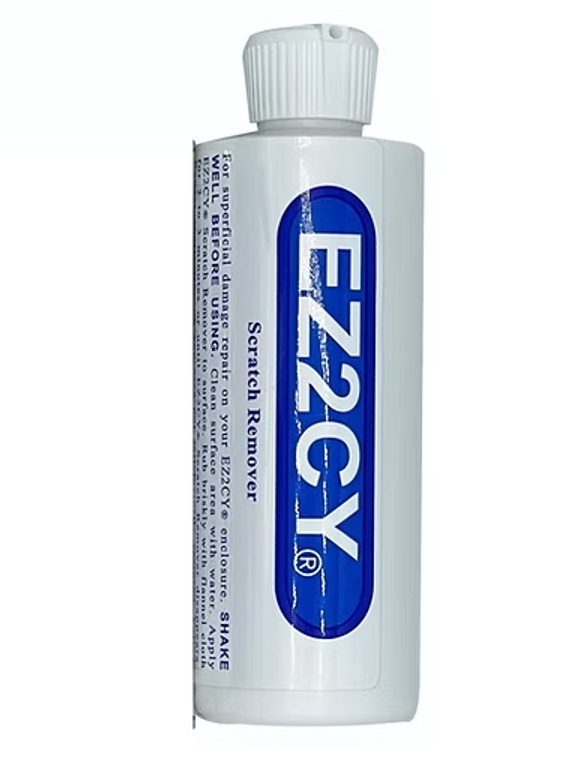
EZ2CY offers a dedicated plastic scratch remover for boat owners exploring plastic surface care options. Before using the product, review its details and confirm that the intended application is appropriate for the enclosure material and condition.
Use the recommended application method and avoid unapproved tools, chemicals, or polishing techniques. Careful preparation and realistic expectations help reduce the risk of further damage.
A suitable plastic scratch remover may reduce the appearance of minor surface scratches on compatible boat windows. Results depend on the material, formulation, and scratch depth. Deep damage may require professional assessment or replacement.
Only if the manufacturer confirms compatibility with the specific material. Acrylic and flexible clear vinyl can have different care requirements, so check the product instructions before application.
It may improve some surface imperfections, but cloudiness can also result from residue, oxidation, or material deterioration. Identify the cause before treatment because not every type of haze can be corrected with a scratch remover.
Some household glass cleaners contain ingredients that may be unsuitable for acrylic or flexible vinyl. Use a cleaner approved for the material and follow the enclosure manufacturer’s recommendations.
There is no universal schedule for scratch removal. Use it when appropriate surface marks remain and the product instructions permit treatment. Routine cleaning should be performed as needed, while scratch removal should not replace regular maintenance.
Maintaining clear boat windows requires suitable cleaning methods, careful handling, and products designed for the material. A plastic scratch remover may help reduce certain surface marks, but its effectiveness depends on the plastic type, product formulation, and severity of the damage.
Always rinse away loose debris before cleaning, use compatible products, and follow the manufacturer’s instructions. Avoid aggressive polishing and seek professional advice when scratches, cracks, or persistent haze affect visibility or panel integrity.
To explore plastic care options or ask about product suitability for your marine enclosure, visit EZ2CY and Get In Touch for further information.