Newsletter Subscribe
Enter your email address below and subscribe to our newsletter

 ByJohn A
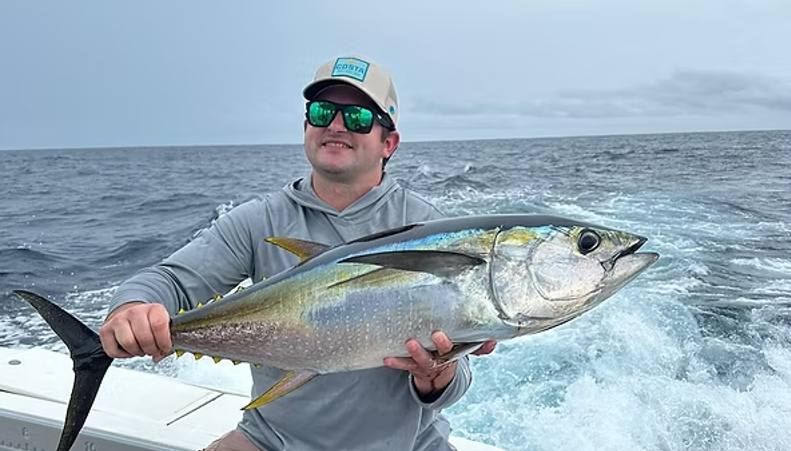
Yellowfin tuna fishing is an exciting offshore angling experience for visitors exploring Costa Rica’s Pacific coast. Known for their strength, speed, and powerful runs, yellowfin tuna challenge anglers to use suitable equipment, effective fishing techniques, and careful coordination with an experienced crew. Costa Rica’s Pacific waters offer opportunities to target these fish, with conditions varying according to the season, currents, and availability of baitfish.
Booking the right yellowfin fishing charter involves more than selecting a boat. Anglers should understand seasonal fishing patterns, offshore travel requirements, tackle options, safety considerations, and the services included in a charter package. With appropriate preparation, both experienced anglers and beginners can approach a tuna fishing trip with realistic expectations.
Costa Rica has an established reputation for sportfishing, particularly along its Pacific coastline. Offshore waters provide habitat for several pelagic species, including yellowfin tuna, mahi mahi, sailfish, and wahoo. These opportunities attract anglers seeking a dedicated tuna trip or a broader offshore fishing experience.
Fishing conditions vary throughout the year, so choosing suitable dates and discussing current conditions with the charter operator are important steps when planning a trip.
Yellowfin tuna (Thunnus albacares) are fast-swimming pelagic fish found in tropical and subtropical oceans. They travel through open water in search of prey, including smaller fish, squid, and crustaceans. Their feeding activity often depends on the distribution of baitfish and changes in ocean conditions.
Yellowfin tuna may gather beneath schools of baitfish or near areas where currents concentrate food. Birds feeding at the surface, baitfish movement, and signs of feeding activity can help captains identify promising locations.
Their muscular bodies and sustained swimming ability make them demanding sportfish. Suitable tackle, controlled pressure, and coordination between the angler and crew are important when fighting a larger tuna.
Los Sueños Marina, located near Herradura Bay on Costa Rica’s Central Pacific coast, provides access to offshore fishing grounds. Its location makes it a practical departure point for anglers planning trips to target yellowfin tuna and other pelagic species.
The distance to productive fishing areas depends on fish movement, weather, and the day’s conditions. Some trips may involve substantial travel before fishing begins, making charter duration an important consideration.
Before reserving a trip, ask about the expected route, departure schedule, and whether the charter focuses on tuna or combines several target species. This information helps you choose an outing that fits your fishing goals.
Yellowfin tuna are valued by sport anglers because of their strength and endurance. Once hooked, they can make powerful runs and dive below the surface, putting considerable pressure on the fishing line and tackle.
Landing a tuna requires patience, appropriate drag settings, and consistent communication with the crew. Anglers should avoid trying to overpower the fish with sudden movements, as excessive pressure can lead to broken lines or lost catches.
The size of the fish, tackle selection, and sea conditions all influence how demanding the fight becomes.
Yellowfin tuna can be encountered along Costa Rica’s Pacific coast throughout the year, but their availability varies with seasonal conditions and the movement of baitfish. There is no single month that guarantees a successful catch.
When choosing travel dates, consider the charter operator’s recent fishing reports, expected weather, and the amount of time available for offshore fishing.
Yellowfin tuna fishing opportunities change throughout the year. Seasonal shifts in currents, water temperature, and baitfish distribution can affect where tuna gather and how actively they feed.
The Central Pacific offers fishing opportunities in different months, although productivity can vary from one period to another. Rather than relying exclusively on general seasonal advice, ask the operator about recent tuna activity around Los Sueños.
This approach helps establish realistic expectations and provides a clearer picture of the conditions likely to influence your trip.
Ocean conditions play an important role in locating yellowfin tuna. Currents can concentrate prey, while changes in water temperature may influence the distribution of baitfish and larger predators.
Captains assess surface activity, bird movements, sonar information, and other available indicators to identify potentially productive fishing areas. Tuna may feed near the surface or remain deeper in the water column, so their location can change throughout the day.
Understanding these variables explains why offshore fishing requires adaptability rather than relying on a fixed location or technique.
Fishing outside a traditionally productive period can still provide opportunities to catch yellowfin tuna. Their movement depends on food availability and ocean conditions, which do not follow an identical pattern every year.
If tuna activity is limited, the captain may explore alternative locations or discuss targeting other available species, depending on the charter arrangement. Confirm these possibilities before booking if catching yellowfin tuna is your main objective.
Flexible planning allows anglers to make informed decisions without assuming that a particular date will produce a guaranteed result.
A yellowfin tuna charter typically involves departing the marina, traveling toward offshore fishing grounds, and searching for areas where tuna are feeding. The captain and crew prepare the tackle, monitor ocean conditions, and adjust the fishing approach as new information becomes available.
The itinerary depends on the boat, charter duration, weather, and location of active fish. Understanding these arrangements before departure helps you plan your day and know what to expect.
The journey from Los Sueños Marina to productive tuna fishing grounds can take time. Travel distance varies according to current fish locations, sea conditions, and the captain’s assessment of promising areas.
A full-day charter may provide more time to reach distant fishing grounds and explore several locations. However, the time spent traveling can reduce the time available for fishing, particularly when fish are far offshore.
Ask about the expected travel time and whether the charter’s schedule allows sufficient time to pursue yellowfin tuna.
Captains use several indicators to identify potential tuna fishing locations. These may include bird activity, visible baitfish, surface feeding, current boundaries, and information from marine electronics.
Yellowfin tuna sometimes feed near the surface, creating visible disturbances that can help anglers locate them. At other times, they remain deeper in the water, making sonar and knowledge of local conditions particularly useful.
Once a school is located, the captain chooses an appropriate fishing method based on tuna behavior, bait availability, and the surrounding conditions.
A full-day charter generally provides more time for traveling, searching, and fishing than a shorter outing. Depending on the package, the crew may use several techniques and explore different areas to improve the chances of finding active tuna.
Expect periods of active fishing as well as time spent moving between locations. Offshore conditions can change during the day, so patience and flexibility are important.
Confirm departure and return times, onboard facilities, meal arrangements, and the equipment provided before reserving your trip.
Choosing a charter that matches your fishing goals involves considering the available boats, equipment, trip duration, and onboard arrangements. Anglers targeting yellowfin tuna should ask about the crew’s experience with offshore fishing and whether the planned trip is suitable for pursuing this species.
Dream Boats Costa Rica provides information about fishing charter options for visitors planning an offshore trip along Costa Rica’s Pacific coast. Reviewing the available options can help you understand the fishing opportunities and identify a charter that suits your preferred experience, group size, and schedule.
Before booking, confirm the services included, expected departure time, and whether the crew can adjust the fishing strategy according to the day’s conditions.
Yellowfin tuna can be targeted using several methods, including trolling and live bait fishing. The best approach depends on the tuna’s location, feeding behavior, available bait, and the captain’s preferred strategy.
Understanding the basic techniques can help anglers follow instructions and participate more confidently during the trip.
Trolling involves moving the boat while presenting lures or natural bait behind it. This technique allows the crew to cover water while searching for feeding tuna.
The captain selects suitable lure sizes, colors, trolling speeds, and bait presentations according to the conditions. When tuna are actively feeding, changing the presentation or trolling pattern may help attract their attention.
Once a fish takes the bait, anglers should follow instructions about rod position, drag settings, and line tension. Consistent pressure helps control the fish without placing unnecessary strain on the tackle.
Live bait can be effective when yellowfin tuna are feeding on smaller fish. A natural presentation may encourage a strike when tuna are selective about what they eat.
The crew determines the appropriate bait and presentation based on the situation. Factors such as baitfish availability, water depth, and tuna activity influence whether live bait is suitable.
Anglers should ask whether live bait is included in the charter and whether any additional costs apply. The captain can also explain how the technique works and what assistance may be required during the fight.
Fighting yellowfin tuna requires patience, stamina, and appropriate equipment. A tuna may make repeated runs or dive deeply, so anglers need to maintain controlled pressure while following the crew’s directions.
Avoid making sudden movements or attempting to lift a heavy fish without assistance. Once the tuna approaches the boat, the crew should manage the landing process and explain the appropriate handling procedures.
Discuss catch retention and fish handling policies before the trip, particularly if you intend to keep part of your catch.
Yellowfin tuna fishing places substantial demands on rods, reels, lines, and terminal tackle. Equipment must be appropriate for the expected size of the fish and the fishing method being used.
Many charter operators supply the primary fishing equipment, but confirming the details beforehand helps you understand what is included and whether you need to bring personal gear.
Yellowfin tuna fishing commonly requires strong rods, reels with reliable drag systems, suitable fishing line, and durable terminal tackle. The precise setup depends on the expected fish size and the techniques being used.
A properly maintained reel helps manage long runs, while suitable line strength reduces the risk of equipment failure under pressure. Hooks, leaders, and connections should also be appropriate for the fishing conditions.
Anglers should rely on the crew’s recommendations rather than changing tackle without guidance.
Marine electronics can help captains navigate offshore waters and identify potentially productive fishing areas. GPS supports navigation, while sonar can provide information about underwater structures, baitfish, and fish activity.
These tools complement rather than replace local knowledge and observation. Captains combine electronic information with currents, bird activity, surface conditions, and other signs when deciding where to fish.
A suitable boat provides space for fishing, equipment storage, passenger comfort, and safe movement during a fight. Shaded seating, accessible facilities, and appropriate safety equipment are also important considerations for a longer trip.
An experienced crew can help anglers use tackle correctly, respond to changing conditions, and handle fish safely. When comparing charters, consider both the boat’s facilities and the crew’s experience with offshore tuna fishing.
Preparing for an offshore trip involves checking the weather, understanding the charter arrangements, and bringing suitable personal items. Good preparation helps you remain comfortable during the journey and concentrate on fishing.
Pack lightweight clothing, a hat, polarized sunglasses, non-slip footwear, and water-resistant sunscreen. A long-sleeved shirt can provide additional sun protection during extended periods on deck.
Bring drinking water and snacks if they are not included in the charter package. A waterproof bag can protect your phone and other personal belongings from spray.
If you are prone to motion sickness, discuss suitable preventive options with a healthcare professional before departure. Follow the crew’s guidance about safety equipment and keeping personal items secure.
Before booking, confirm whether the charter price includes fishing licenses, bait, tackle, refreshments, meals, fuel, and fish cleaning. These arrangements can vary between operators and boat packages.
Ask whether gratuities or other expenses are expected and clarify the cancellation policy. Understanding the full cost makes it easier to compare charter options and avoid unexpected charges.
Listen carefully to the safety briefing and follow instructions when moving around the boat. Keep clear of fishing lines, hooks, and other equipment when the crew is handling a hooked fish.
Beginners should tell the captain about their experience level and ask for guidance on using the rod and reel. Experienced anglers should also follow the crew’s instructions because equipment and fishing methods may differ from those used on other trips.
Selecting a charter requires comparing the fishing experience, boat facilities, trip duration, and services provided. A suitable option should match your budget, group size, and interest in targeting yellowfin tuna specifically.
Review the boat’s capacity, shaded seating, restroom facilities, fishing equipment, and safety provisions. Check whether the charter has the tackle and setup required for tuna fishing.
Compare trip durations and determine how much time may be spent traveling offshore. A lower-priced trip may not provide the same duration or inclusions as a longer charter, so compare the complete package rather than price alone.
Before confirming a reservation, ask which species the charter will target, how long the trip lasts, and what equipment is provided. You should also clarify the departure location, expected travel time, fishing license requirements, and any additional costs.
If yellowfin tuna is your primary goal, ask about recent tuna activity and whether the captain recommends a full-day trip. This helps you select an outing that fits your priorities.
Fishing results depend on fish movement, weather, currents, bait availability, and other factors beyond the captain’s control. Even a well-planned trip cannot guarantee a tuna catch.
Choose an operator that communicates clearly about conditions and provides realistic information about the planned fishing experience. Flexibility is valuable because the crew may need to adjust locations or techniques during the day.
Responsible offshore fishing includes understanding local licensing requirements, catch restrictions, and appropriate fish handling. Regulations may change, so confirm the rules that apply to your trip before departure.
Anglers should check Costa Rica’s current recreational fishing license requirements and confirm whether licenses are included in the charter package. The operator can explain the documentation required and direct you to the relevant fisheries authority for current information.
Following applicable rules helps ensure that your trip complies with local requirements.
Follow current catch limits and any applicable restrictions on species, size, or fishing methods. Ask the captain about the charter’s fish retention policy before fishing begins.
Retain only fish that may legally be kept and follow safe handling procedures. Responsible harvesting helps reduce waste and supports the long-term quality of recreational fishing opportunities.
Yellowfin tuna can be caught throughout the year, but activity varies with ocean conditions and baitfish distribution. Ask the charter operator about recent catches and seasonal patterns around Los Sueños before choosing your dates.
The distance depends on where tuna are feeding and the conditions on the day. Some trips may find productive fishing grounds closer to shore, while others require longer offshore journeys. Confirm expected travel time when booking.
No. Beginners can join suitable tuna fishing charters, where the captain and crew provide guidance on equipment and fishing techniques. However, fighting a larger tuna can be physically demanding, so tell the operator about your experience and any relevant limitations.
Many charters supply rods, reels, tackle, and bait or lures. Inclusions vary, so confirm whether fishing licenses, refreshments, meals, and fish cleaning are also covered by the package.
It may be possible, depending on fish locations, sea conditions, and the time available. However, a half-day trip leaves less time for longer offshore journeys. Ask the captain whether a shorter charter is suitable for targeting yellowfin tuna during your planned visit.
Yellowfin tuna fishing offers an engaging offshore experience for anglers visiting Costa Rica’s Pacific coast. Understanding tuna behavior, seasonal patterns, fishing techniques, equipment requirements, and local regulations helps you prepare for the trip and make informed booking decisions.
When comparing charter options, consider the boat, crew experience, trip duration, included services, and recent fishing conditions. Discuss your target species and expectations with the operator before reserving, and remember that fishing results can never be guaranteed.
To explore available fishing options and plan your trip, review the charter information on the website. For questions about dates, boat arrangements, or suitable fishing options, visit the contact page to make an inquiry and plan your yellowfin tuna fishing experience in Los Sueños, Costa Rica.