Newsletter Subscribe
Enter your email address below and subscribe to our newsletter

 ByJohn A
Seafood appetizers bring a mix of flavour, texture, and freshness to the beginning of a meal. From crispy shrimp and lightly seasoned calamari to ceviche and delicate fish bites, these smaller dishes offer an opportunity to explore seafood before moving on to a main course. A well-chosen appetizer can also introduce diners to a restaurant’s cooking style, ingredient quality, and approach to seasoning.
At a seafood restaurant, appetizers are more than something to eat while waiting for the main course. They can be a central part of the dining experience, especially when a menu combines traditional seafood preparations with international influences. Understanding the different types of seafood starters makes it easier to select dishes that suit your preferences, appetite, and the occasion.
Appetizers allow diners to sample different flavours without committing to a full entrée. Seafood is particularly suited to this part of the meal because it can be prepared in many ways, including grilling, frying, marinating, steaming, and serving chilled.
A good starter can provide contrast to the dishes that follow. A light, citrus-based seafood preparation may balance a rich main course, while a crispy appetizer can introduce a satisfying texture before a softer fish dish.
Seafood appetizers are also useful when dining with a group. Ordering a few options for the table allows everyone to taste different preparations and discover new favourites.
Some benefits of starting with seafood appetizers include:
Seafood menus can vary considerably, but several types of appetizers remain popular because they offer distinctive flavours and preparation styles.
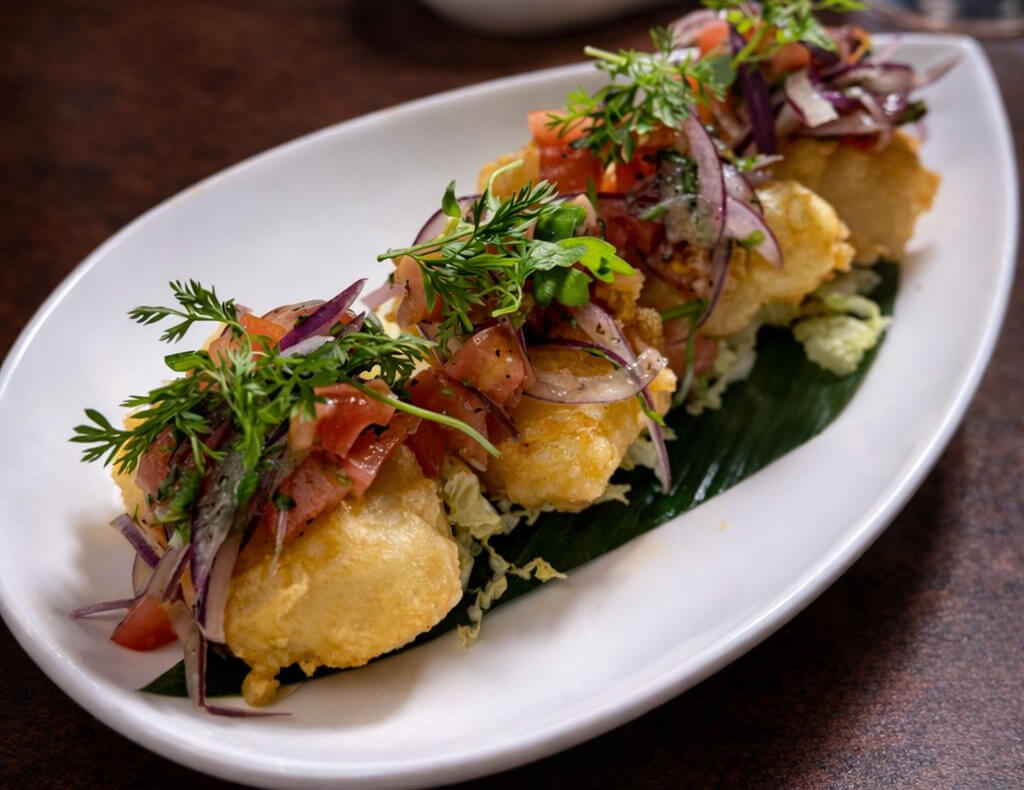
Crispy shrimp is a familiar option for diners who enjoy seafood with a crunchy exterior and tender centre. The coating may be light and crisp or seasoned with spices for a stronger flavour. Dipping sauces can add creaminess, acidity, or heat.
When ordering this appetizer, consider the accompanying sauce and portion size. A lighter dip can allow the shrimp’s flavour to remain prominent, while a spicy sauce may appeal to those who prefer a bolder start to their meal.
Calamari is commonly served in rings or small pieces, often lightly coated and fried. Proper preparation helps maintain a tender texture rather than making the squid chewy. Lemon, herbs, and dipping sauces can provide balance.
For diners who enjoy sharing plates, calamari can be a practical choice because it is easy to divide among several people. It also works well alongside other appetizers with different textures.
Ceviche offers a fresh alternative to fried seafood starters. It is typically prepared with seafood, citrus juice, onions, herbs, and seasonings. The result is bright and tangy, with flavours that can feel lighter than heavily coated or creamy appetizers.
Traditional ceviche preparations often use citrus to alter the texture of raw seafood, but citrus does not reliably eliminate harmful pathogens. Choose ceviche from a reputable establishment that follows appropriate seafood sourcing, handling, and food-safety practices.
Small seafood cakes or fish bites can provide a satisfying starter with a soft interior and a lightly crisp exterior. Depending on the recipe, they may include herbs, breadcrumbs, spices, or a dipping sauce.
These appetizers are worth considering when you want something more substantial than a chilled starter but do not want to fill up before the main course.
Seafood prepared with garlic, butter, and herbs offers a richer flavour profile. Shrimp and other seafood may be served with bread or vegetables to complement the sauce. This option can be especially appealing to diners who enjoy savoury dishes with aromatic seasoning.
Because butter-based preparations can be rich, a smaller serving may be enough when several courses are planned.
The best starter depends on your taste preferences, the rest of your order, and how much you plan to eat. Instead of selecting several dishes with similar ingredients or preparation methods, look for variety across the table.
Use these tips when reviewing a seafood menu:
These small decisions can help create a balanced meal without ordering more food than you need.
Freshness matters because seafood often has a delicate flavour and texture. Ingredients that are handled and stored correctly can retain their natural characteristics, while poor storage or improper preparation can affect both quality and safety.
When choosing a seafood restaurant, consider whether the menu explains its dishes clearly and whether staff can answer questions about sourcing and preparation. Seafood should not have an unpleasant, strongly fishy, sour, or ammonia-like smell. However, smell alone cannot confirm that seafood is safe to eat.
A reliable restaurant should follow appropriate temperature controls and food-handling practices. This is particularly important for chilled seafood dishes and preparations served raw or partially cooked.
If you are exploring a seafood appetizers restaurant, review the available menu and consider how the starter options complement the restaurant’s broader seafood selection. A varied menu can make it easier to choose dishes for different preferences and dining occasions.
A thoughtful appetizer choice can make the entire meal feel more balanced. The aim is to complement the main course rather than repeat the same flavours and textures throughout the meal.
Here are a few practical pairing ideas:
These are flexible suggestions rather than strict rules. Personal preferences and the restaurant’s menu should guide the final selection.
The type of appetizer you choose may also depend on the occasion. A casual lunch with friends may call for easy-to-share plates, while a special dinner may be an opportunity to sample a dish you have not tried before.
Shared appetizers help create a relaxed dining experience. Crispy shrimp, calamari, and seafood bites are often convenient options because guests can sample them without ordering an individual starter each.
For a group, two or three different appetizers may provide more variety than several servings of the same dish.
Families may prefer familiar flavours alongside dishes that introduce something new. A simple cooked seafood appetizer can be a comfortable starting point, while a more distinctive preparation allows adventurous diners to explore the menu.
Check portion sizes and ingredient details, especially when ordering for children or anyone with a seafood allergy.
For a more formal meal, a carefully prepared appetizer can set the tone for the courses that follow. A fresh, citrus-based dish may suit a lighter menu, while a rich seafood starter can work well when the main course is planned around similar flavours.
Ask the restaurant team about portion sizes and preparation methods if you are planning several courses.
A satisfying appetizer does not need to be complicated. The most enjoyable choices often combine a clear seafood flavour with complementary seasoning and a suitable portion.
For a balanced selection, consider including:
You do not need to order every type. Even a single well-chosen starter can make a meal more enjoyable when it suits the main course and your appetite.
Seafood appetizers offer a simple way to explore a menu, share different flavours, and discover new preparations. From crispy shrimp and calamari to ceviche and garlic butter seafood, each option brings its own texture and character to the table.
Choosing the right starter comes down to freshness, preparation, portion size, and how the dish fits with the rest of the meal. A little variety can make dining more interesting without making the order feel excessive.
When visiting a seafood restaurant, take time to review the appetizer selection, ask questions when needed, and choose dishes that match your preferences. The right beginning can make the rest of the dining experience even more enjoyable.