Newsletter Subscribe
Enter your email address below and subscribe to our newsletter

 ByJohn A
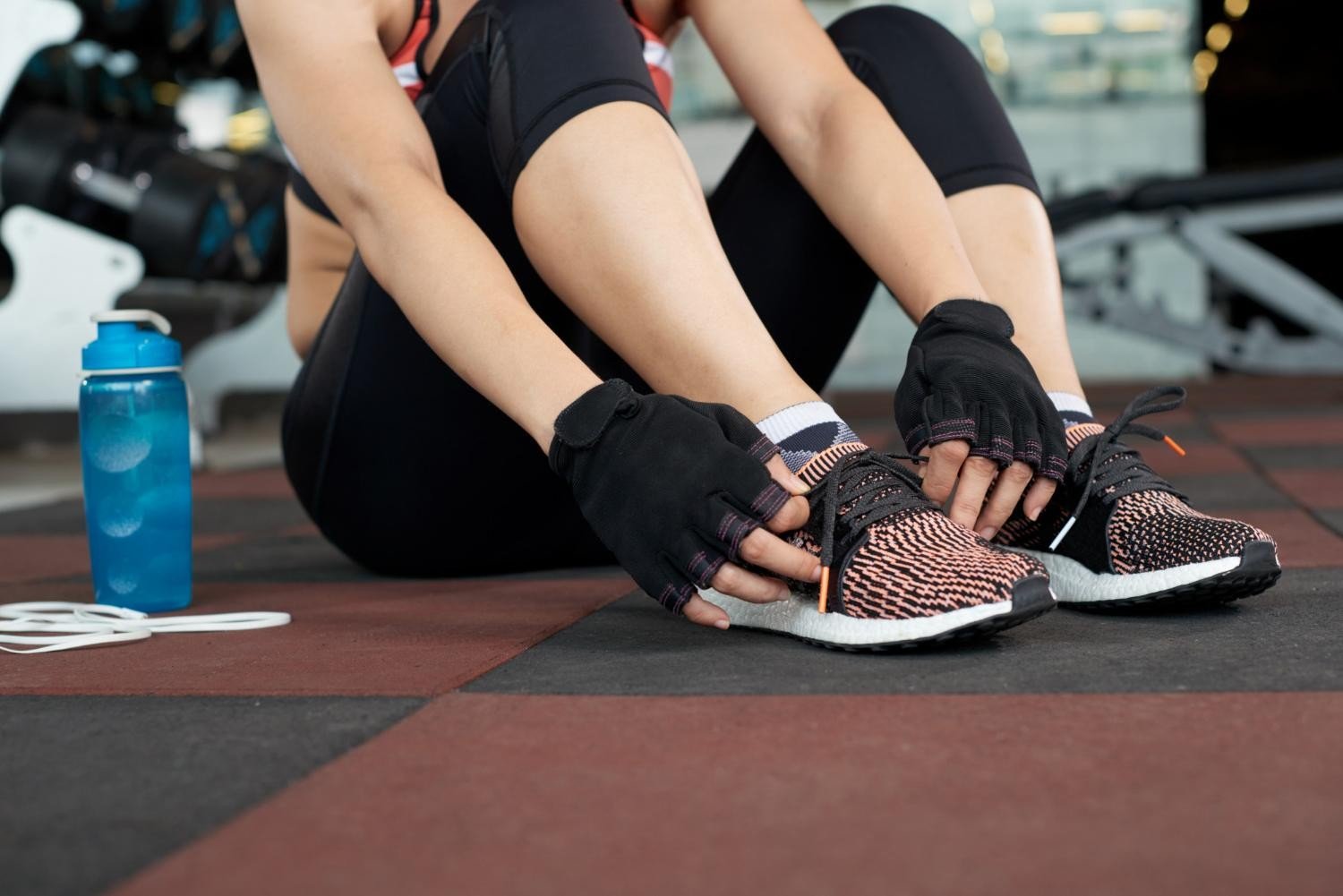
Choosing the right footwear can make a significant difference in how you feel and perform during a gym workout. From lifting weights and performing lunges to completing short cardio sessions, different exercises place different demands on your feet. A suitable pair of shoes should provide the right balance of stability, flexibility, traction, and comfort to support these movements.
Cross training shoes are designed for people who participate in a variety of fitness activities rather than focusing on just one type of exercise. Unlike running shoes, which generally prioritize forward movement and cushioning, cross training footwear is often designed to accommodate lateral movements, strength exercises, and varied workout routines.
However, not every pair offers the same features. Understanding sole construction, fit, support, and durability can help you make a more informed decision when shopping for training footwear. Whether you are a beginner or an experienced gym enthusiast, knowing what to look for can help you find shoes that suit your workout requirements.
Stability is one of the most important features to consider when selecting workout footwear. During strength exercises, your feet provide the foundation for movements such as squats, lunges, and overhead presses. Shoes that feel unstable can make it harder to maintain a consistent foot position.
A stable shoe should support your feet without creating unnecessary movement inside the footwear.
When comparing different options, look for the following features:
Stability requirements depend on the type of training you perform. Someone who regularly lifts heavy weights may prefer a firmer platform, while someone who participates in circuit training may want a balance of stability and flexibility.
Before purchasing a pair, try standing, squatting, and shifting your weight from side to side. These simple movements can help you assess how the shoes feel under your feet.
Many gym workouts involve movements that require your feet to bend naturally. Lunges, burpees, mountain climbers, and bodyweight exercises can all place different demands on footwear.
The right amount of flexibility allows your feet to move comfortably without making the shoe feel unstable.
When evaluating flexibility, consider how the footwear responds during different exercises. The forefoot should allow the movements required by your routine, while the midfoot and heel should provide enough structure for controlled activity.
Look for these characteristics:
Extremely flexible footwear is not automatically the best choice. Heavy lifting may require a firmer platform, so the ideal balance depends on how you divide your time between strength training and dynamic exercises.
If your routine includes several types of movements, choose a design that feels comfortable across your most frequent activities.
Traction helps your feet maintain contact with the training surface during exercise. It is particularly important when performing lateral movements, changing direction, or pushing through the floor during strength exercises.
The outsole plays a major role in determining how much grip a shoe provides.
A practical outsole should offer suitable traction for the surfaces where you train. Rubber compounds and tread patterns vary between models, so it is worth checking the product specifications before buying.
Consider the following factors:
A shoe with insufficient grip may feel unreliable during lateral movements. On the other hand, the ideal outsole should allow controlled movement without feeling excessively slippery.
Keep your footwear clean and check the tread regularly. Dust, moisture, and accumulated debris can affect traction, even when the shoes are in good condition.
Cushioning influences how your shoes feel during impact and repeated movement. However, the amount of cushioning you need depends on the exercises you perform.
For example, jumping exercises and conditioning sessions may benefit from cushioning that helps manage impact. Heavy strength training often calls for a firmer platform that feels stable under load.
When comparing shoes, consider your typical workout rather than choosing the most cushioned option available.
A few useful questions include:
A very soft sole may feel comfortable while walking but less predictable during certain lifting exercises. Conversely, a firm shoe may provide a stable base but feel less comfortable during repeated high-impact movements.
If your workouts involve a balanced mix of activities, look for footwear that offers adequate cushioning without compromising the stability you need.
Even well-designed footwear will not perform as intended if it does not fit properly. Fit affects comfort, movement, and how securely your feet remain positioned during exercise.
When trying on cross training shoes, pay attention to the toe box, midfoot, and heel.
Your toes should have enough room to spread naturally without pressing against the sides of the shoe. A cramped toe box can cause discomfort during longer workouts, while excessive space may allow your foot to slide.
Check the fit by standing upright and performing a few controlled squats. Your toes should not feel compressed when your weight shifts forward.
The midfoot should feel secure without excessive tightness. Laces or other fastening systems should allow you to adjust the fit according to your foot shape.
If you feel pressure across the top of your foot, try adjusting the lacing before deciding whether the shoe is suitable.
The heel should remain comfortably in place during walking, lunging, and other normal training movements.
Repeated slipping can cause friction and may make the shoe feel less secure. However, tightening the laces excessively is not a good solution if the shoe is fundamentally the wrong shape for your feet.
People with wider feet should pay particular attention to pressure along the forefoot. Choosing a suitable width is generally better than buying a much longer size to compensate for a narrow fit.
Not all exercises involve moving forward or backward. Group fitness classes, agility drills, lateral lunges, and certain functional training exercises require you to move sideways and change direction.
This is where lateral support becomes particularly useful.
A shoe designed for varied training may incorporate a broader base, supportive side panels, or an upper that helps keep the foot positioned during directional changes.
When assessing lateral support, consider:
Lateral support does not eliminate the risk of injury, but appropriate footwear can help provide a more consistent foundation for these movements.
Try the shoes with controlled bodyweight exercises before using them during faster or more demanding workouts.
Your feet can become warm during intense training, especially when workouts involve several exercises with limited rest between sets. Breathable materials can improve comfort by allowing better airflow around the foot.
Many training shoes use engineered mesh or other lightweight materials in parts of the upper. However, breathability and durability can vary depending on the specific construction.
When evaluating the upper, consider:
A lightweight, breathable upper may be particularly appealing if you train frequently or live in a warm climate. Still, breathability should not come at the expense of the secure fit you need for your exercises.
Training footwear can experience considerable wear from repeated squats, lunges, jumping, and changes in direction. Durability is therefore an important factor when comparing different models.
The outsole, upper, stitching, and reinforced areas can all influence how well a shoe holds up over time.
Look for features such as:
Your training habits also affect footwear lifespan. Using gym shoes exclusively for their intended activities may help reduce unnecessary wear.
Inspect your shoes periodically for separating soles, damaged uppers, worn tread, or changes in stability. Replace them when their condition no longer provides the support and traction you need.
A higher price does not guarantee longer-lasting footwear, so compare construction quality and warranty information where available.
The weight of a shoe can influence how it feels during movement. Some people prefer lightweight footwear for fast-paced workouts, while others value additional structure for stability.
Neither option is automatically better. The appropriate design depends on your routine and personal preferences.
For circuit training, agility exercises, and varied fitness classes, a shoe that feels responsive may be useful. For workouts focused on controlled strength movements, a more structured shoe may feel preferable.
Consider the following points when comparing designs:
Try to evaluate weight alongside other features rather than treating it as the main deciding factor.
The most suitable footwear depends on how you use it. A person who performs strength training four times a week may have different requirements from someone who attends cardio-based fitness classes.
Before buying, identify your primary training activities.
Prioritize a stable platform, secure fit, and sufficient structure for controlled movements. If you regularly perform heavy squats or Olympic lifts, specialized weightlifting shoes may be worth considering.
Look for a combination of traction, lateral support, suitable cushioning, and flexibility. Your footwear should accommodate the transitions between different exercises.
Choose a versatile design that feels comfortable during your usual combination of resistance exercises, mobility work, and moderate conditioning.
If running is a major part of your routine, dedicated running shoes may be more appropriate. Cross training footwear is not necessarily designed for the repetitive demands of long-distance running.
Choosing footwear around your actual routine can help you avoid paying for features you rarely use.
Price is another important consideration, but the cheapest pair is not always the most economical choice over time. Similarly, an expensive model may include features that provide little benefit for your particular workout routine.
Compare products according to the features that matter most to you.
Before purchasing, check:
If you are shopping online, review the sizing information for the exact model. Different shoe designs may fit differently, even within the same brand.
It is also worth considering whether you need a general-purpose training shoe or separate pairs for strength training and running. The right decision depends on your workout schedule, budget, and performance priorities.
Cross training shoes are intended for varied fitness activities, which may include strength training, circuit workouts, bodyweight exercises, and lateral movements. Their suitability depends on the specific model and the demands of your routine.
They can work well for general strength training when they provide a stable platform and secure fit. For heavy Olympic lifts or specific squat training, dedicated weightlifting shoes may offer features that better suit your technique.
They may be suitable for short warm-ups or brief running intervals. For frequent or long-distance running, dedicated running shoes are generally designed to provide cushioning and support for repetitive forward movement.
They should feel secure around the heel and midfoot without squeezing your feet. Your toes should have enough room to move naturally, and the shoe should not create painful pressure or repeated rubbing.
Check for worn outsole tread, reduced traction, damaged uppers, separating soles, and changes in stability or fit. Replace footwear when these issues affect its ability to support your regular workouts.
No. Lightweight designs may feel comfortable during fast-paced movements, but stability, fit, traction, and durability are equally important. Choose a shoe that balances these features according to your exercise requirements.
Both options can work. Shopping in a store allows you to assess fit and comfort directly, while online shopping offers a wider opportunity to compare models. If ordering online, review the size chart and return policy carefully.
The right training footwear should match the demands of your workout while providing a comfortable and reliable fit. Stability, flexibility, traction, cushioning, lateral support, and durability all influence how a shoe performs during different exercises.
Before making a purchase, consider which activities dominate your routine and which features will make the biggest difference to your training experience. Try different options when possible, check the fit carefully, and avoid choosing footwear based on appearance alone.
By comparing these practical details, you can make a more informed decision and find cross training shoes that suit your fitness goals, workout preferences, and everyday gym requirements.