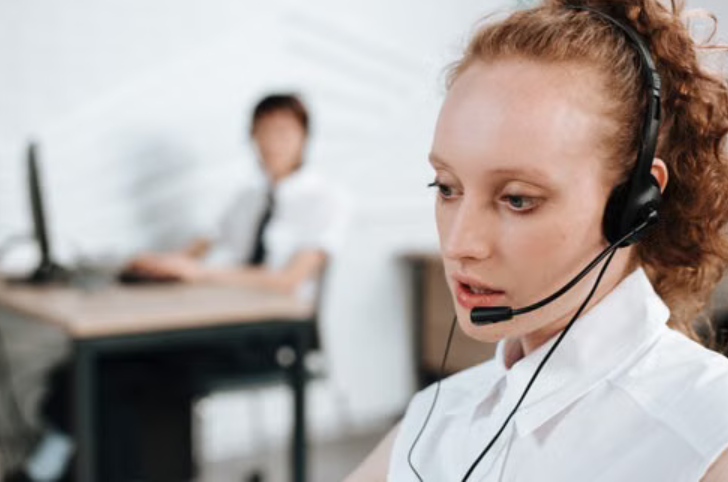

At two in the morning, a hospice nurse could be traveling between two homes, finishing notes at a kitchen table, or sitting quietly with a family during a patient’s last hours. The phone keeps ringing through all of it. Some of those calls truly need her, and plenty of them could wait until sunrise. A medical answering service gives that nurse a way to sort one kind from the other before she picks up a phone, so her attention stays with the person in front of her.
Hospice care rarely sticks to office hours. Families call when breathing sounds different, when a medication question comes up, or when they simply feel scared and alone. A medical answering service set up for hospice work routes the urgent calls to the right person and holds the rest, so overnight staff is not pulled away by every ring.
Why Overnight Hospice Calls Carry More Weight
Night calls feel heavier than daytime ones. A daughter sitting alone with her father may not know whether a change in his color is expected or alarming. That uncertainty comes through in her voice, and it lands on whoever answers.
Now think about the nurse on the other end. She may be covering a wide area with very few colleagues awake. Every call that pulls her from a bedside costs minutes she cannot get back.
A missed call costs something too. A family that hears nothing back at 3 a.m. can feel forgotten, and that feeling tends to stay with people long after the visit is over.
So here is a fair question for your team. How many overnight calls last month needed a nurse right at that moment?
How a Medical Answering Service Sorts Hospice Calls
An automated hospice answering setup usually follows a simple flow:
- An automated greeting answers each call and directs the caller based on whether the matter is urgent.
- Urgent calls go straight through to the on-call nurse or clinician.
- If that person does not answer, the call moves to the next provider on the on-call list.
- Non-urgent messages are held, transcribed, and delivered the next business day or on a schedule your hospice chooses.
- Messages can arrive by email, phone, or pager, depending on what your staff prefers.
The result is fairly plain. Your nurse hears from the people who need her now, and everyone else still has a clear way to be heard.
Of course, no system decides what counts as urgent for you. Your clinical leaders set those rules, and they should revisit them as your patient census changes.
Protecting Overnight Nurses From Constant Interruptions
Nurses who answer every call themselves rarely get a true break, even on a quiet night. The phone becomes a low hum of worry that never fully switches off.
Some nurses prefer it that way, and the instinct makes sense. It comes from caring about every family on the list. Even so, a nurse running on broken sleep for weeks is not the nurse anyone wants at a bedside during a hard death.
When routine calls wait for morning, overnight staff can rest between visits with more confidence. They know the urgent line will still reach them. That small shift can make a long shift feel a little more manageable, perhaps more than you would expect.
See Also: Seafood Appetizers That Make a Great Start to Any Dining Experience
Privacy and HIPAA in Hospice Phone Communication
Here is why privacy deserves its own section. Hospice calls often include diagnoses, medication names, and details about a patient’s final days. That information counts as protected health information under HIPAA.
The HIPAA Privacy and Security Rules apply to healthcare providers and to the business associates that handle patient data for them. An answering service that receives patient messages falls into that second group, and a signed business associate agreement should be in place before any calls flow through it.
A few privacy features matter a great deal for overnight staff:
- The on-call nurse’s personal phone number stays hidden, and patients see the main office number instead.
- Messages are kept as audio records, so the full message is available if questions come up later.
- Patient messages travel through secure channels rather than personal texting apps.
Hiding a personal number may sound minor. Ask any nurse who has received a patient call on her day off, and she will likely tell you otherwise.
Making Overnight Coverage Work for Your Hospice Team
No answering setup replaces a skilled nurse. It simply clears space so that the nurse can do the work only she can do.
Start by reviewing a few weeks of overnight call logs with your clinical lead. Sort them into calls that needed immediate action and calls that could have waited. That list alone will tell you a lot about where your night shift time is going, and whether a medical answering service makes sense for your team.