
Aerospace assemblies place a fastener under load, vibration, heat and moisture all at the same time, and a screw which looks correct on the bench may not hold its clamp force over years of service. The NAS 1802 screw was designed for exactly this mix of conditions, so its material and strength figures deserve a close look.
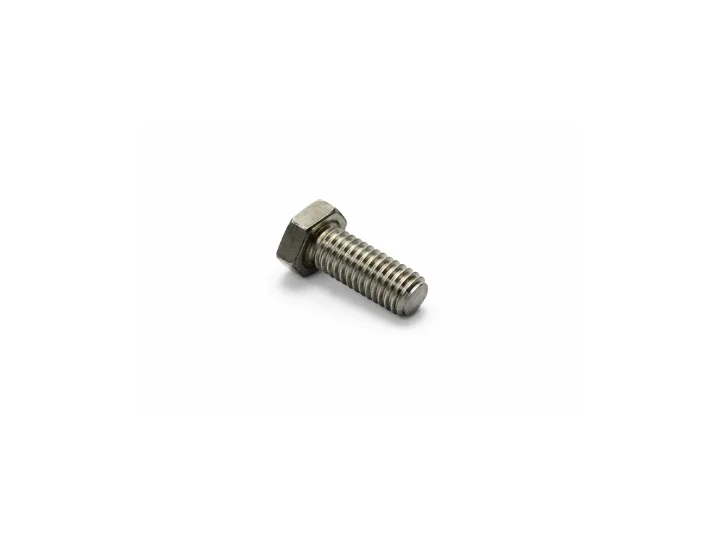
A NAS 1802 screw gives design teams a full-thread hex head fastener in A286 corrosion-resistant steel with a 160,000 psi minimum tensile strength, which keeps joints secure in hot and corrosive zones of an airframe or engine. This post explains tensile strength, A286 behaviour, selection factors and how engineers confirm each part against its specification.
Tensile Strength Sets the Limit for Every Joint
What Tensile Strength Measures: Tensile strength is the maximum pulling stress a material can carry before it fractures, and for a screw it sets the ceiling on joint preload. Designers tighten fasteners to a fraction of this value, so a higher rating leaves more margin for vibration, thermal cycling and the sudden loads of take-off and landing.
Preload Margin Is Often Overlooked: A screw chosen only by thread size may clamp well on day one and then relax as heat and vibration work on the joint. In everyday maintenance practice, inspectors routinely find joints which need a higher-grade screw, noticed only at a scheduled teardown. The longer a mismatch stays in service, the fewer repair options remain.
A286 Steel Holds Strength Where Heat Builds
An Alloy Built for Hot Sections: A286 is an iron-nickel-chromium alloy which gains its strength through precipitation hardening. This heat treatment forms fine nickel, titanium and aluminium particles inside the metal, which stay stable at high temperature and help the screw hold preload under sustained heat. The procurement standard rates these screws for service at 1,000°F, about 538°C.
Chromium Resists Oxidation: A286 carries roughly 15 percent chromium, which forms a thin oxide film on the surface and slows corrosion from moisture, de-icing fluid and salt air. Passivation after machining clears free iron from the threads so this film forms evenly, giving a screw which keeps its strength through long service with no plating required.
A286 Compared with Alloy Steel and Titanium
Alloy Steel at a Lower Price: Cadmium-plated alloy steel screws can reach 160 ksi at room temperature and usually cost less per piece. Their corrosion protection depends on the plating, and their strength drops as temperatures climb. A NAS 1802 screw is the practical choice where a joint sees both heat and moisture, since the protection comes from the alloy itself.
Titanium Saves Weight in Cooler Zones: Ti-6Al-4V titanium screws weigh about 40 percent less than steel and resist corrosion well, which suits primary structure away from engines. Their useful temperature range sits below A286, and threads need care to prevent galling. Over a long service life, A286 often gives the better balance of cost, heat tolerance and replacement intervals.
Matching Temperature, Load and Environment to Joint Design
Temperature and Load Come First: Fastener selection starts with the highest temperature the joint will see and the type of load it carries. A screw in tension behaves differently from one in shear, and cyclic loads call for a close look at thread form. NAS 1802 screws use UNJF threads, whose rounded root radius spreads stress and improves fatigue life.
Environment and Clamped Materials: Exposure to fuel, hydraulic fluid, salt spray or cleaning chemicals should be listed before a part number is fixed. In joint design, grip length, hole fit and the materials being clamped all affect preload too. Take a case where an A286 screw clamps aluminium skin. A suitable sealant or washer then keeps the two metals from reacting over time.
See Also: Must-Have Connected Home Gadgets for Modern Homeowners
Certifications That Confirm a Screw Meets Its Specification
Paperwork Which Proves Conformance: Engineers can verify a screw by requesting a certificate of conformance and the mill test report for the A286 bar it came from. Good quality control at the supplier links the lot number on each packet back to the heat of steel, the heat treatment record and the test results for that batch.
Test Data Should Match the Drawing: Reviewers should check that reported tensile values meet the 160 ksi minimum, that passivation is recorded and that threads pass UNJF gauging. Head height, width across flats and thread length belong on the inspection report too. Suppliers working under AS9100 quality systems usually provide these records as standard, which shortens incoming inspection.
Pre-Order Checks for A286 Aerospace Screws
A Short Pre-Order Review: A brief review against the drawing and purchase order keeps the right part on the shelf and the assembly line moving. The points below cover what a buyer or design engineer should confirm when sourcing NAS 1802 screws for a new aircraft programme or a repeat production build.
- The dash codes match the drawing’s diameter, thread pitch and length.
- The material is A286 corrosion-resistant steel rated at 160 ksi minimum tensile strength.
- Passivation or any specified finish appears on the certificate of conformance.
- The joint’s peak service temperature stays within the standard’s rating.
Stronger Joints Begin with the Right Specification
Choosing A286 screws to the correct standard gives a joint steady clamp force through heat, vibration and wet conditions for the full service interval. Each extra month spent on an unverified part adds inspection time and narrows later repair choices. Get in touch to share your drawing, temperature range and load data, and request a quotation for certified A286 aerospace screws.