Newsletter Subscribe
Enter your email address below and subscribe to our newsletter

 ByJohn A
Concrete floors are widely used in warehouses, factories, workshops, and commercial buildings because they can withstand demanding operating conditions when properly constructed and maintained. However, regular foot traffic, machinery, abrasive debris, and inadequate cleaning can gradually affect the surface. Concrete dusting, accumulated contaminants, and surface wear may create maintenance challenges and reduce the suitability of the floor for daily operations.
Concrete cleaning and densification can help address some of these concerns by preparing the surface, removing contaminants, and improving the properties of suitable concrete. Cleaning removes dirt and unwanted residues, while densification involves applying a chemical treatment that reacts with components in the concrete to help create a harder, less porous surface.
Understanding concrete cleaning densification helps property owners and facility managers determine whether this treatment is appropriate for their flooring requirements. This guide explains the process, benefits, limitations, and maintenance considerations involved in improving commercial and industrial concrete floors.
Concrete cleaning and densification are related but distinct processes used to improve the condition and performance of concrete flooring. Cleaning prepares the surface by removing dirt, residues, and other contaminants, while densification treats the concrete to improve surface hardness and reduce dusting.
The suitability of these processes depends on the existing slab, the type of contamination, and the intended use of the floor. A professional assessment helps establish whether cleaning and densification alone are sufficient or whether repairs or additional surface treatments are required.
Industrial concrete floors can accumulate dust, grease, tyre marks, oils, and other residues that ordinary cleaning may not remove effectively. The appropriate cleaning method depends on the contaminant, the condition of the slab, and any existing treatment.
Mechanical cleaning, suitable cleaning solutions, or specialised equipment may be used to prepare the concrete. Removing contamination is important because residues can interfere with chemical treatments and affect the final surface quality.
Concrete densifiers are typically liquid chemical treatments that penetrate suitable concrete and react with available calcium hydroxide to form additional calcium silicate hydrate. This reaction helps fill microscopic spaces within the concrete’s pore structure.
The resulting treatment can improve surface hardness and reduce dusting when the product is correctly selected and applied. Performance depends on concrete composition, porosity, surface preparation, application conditions, and the particular densifier used.
Densification, sealing, and coating are not interchangeable treatments.
Some flooring systems combine these approaches, but each serves a different purpose. Selecting the correct treatment requires consideration of traffic, moisture exposure, chemical contact, and maintenance requirements.
The process should be planned around the condition of the concrete and the performance expected from the finished surface. Proper preparation is essential because applying a densifier over contamination or unsuitable existing treatments can compromise its effectiveness.
The first step involves inspecting the concrete for dusting, wear, cracks, stains, surface deterioration, and previous coatings or sealers. The assessment should also consider moisture conditions and whether the concrete is suitable for the proposed treatment.
The inspection helps identify whether the slab needs repairs, deeper cleaning, mechanical preparation, or removal of an existing coating. Structural defects and significant deterioration may require separate investigation before densification can proceed.
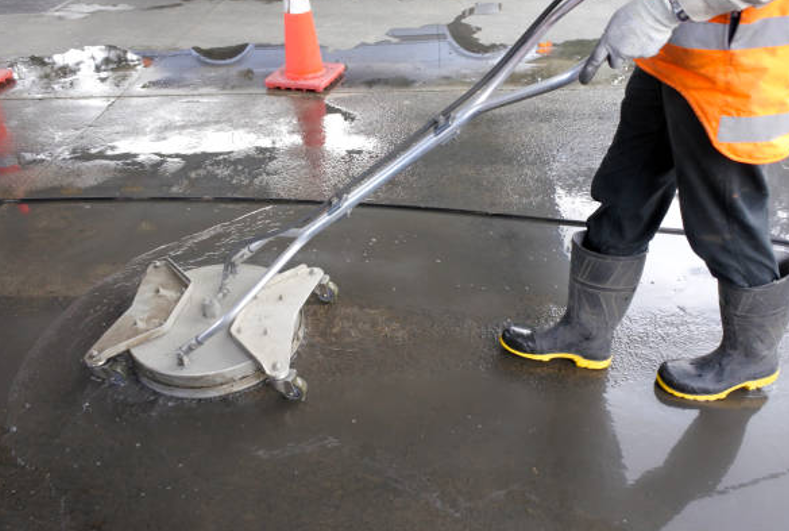
Cleaning removes substances that could interfere with the treatment or affect the finished floor. The method must match the type of contamination and avoid damaging the concrete.
Oil, grease, loose particles, and cleaning residues should be addressed before the next stage. Depending on the slab, mechanical preparation may also be necessary to expose suitable concrete and improve treatment penetration.
The selected densifier is applied according to the manufacturer’s instructions. Product choice should account for the concrete’s porosity, condition, intended use, and the desired surface characteristics.
Application rate, coverage, contact time, and distribution are important factors. Uneven application or unsuitable preparation can produce inconsistent results, so the process should be carried out using the specified method.
After application, the densifier needs the appropriate time and conditions to react with the concrete. Depending on the product, the procedure may involve keeping the surface wet for a specified period, removing excess material, or following other finishing instructions.
The floor should be assessed before normal operations resume. Any additional polishing or finishing should follow the system specifications and the required performance standards.
Densification can help improve the surface properties of suitable concrete floors, particularly in environments where dust control, durability, and routine cleaning are important. However, it does not eliminate every form of concrete damage or replace the need for appropriate maintenance.
Concrete dusting occurs when fine particles break away from a weak or deteriorating surface. It can affect housekeeping and create additional cleaning demands in busy facilities.
A suitable densifier can strengthen the surface by reacting with components in the concrete, helping reduce dust generation. Severe dusting caused by poor-quality concrete or extensive deterioration may require more comprehensive preparation or repair.
Industrial floors are frequently exposed to foot traffic, wheeled equipment, and abrasive particles. These conditions can contribute to surface wear over time.
Densification can improve surface hardness and resistance to abrasion, although the degree of improvement depends on the concrete and treatment. It does not make a floor indestructible or prevent structural cracking, impact damage, and every type of wear.
A properly treated concrete surface may be easier to maintain because reduced dusting can limit the accumulation of loose particles. When combined with suitable cleaning practices, densification can support better housekeeping.
Cleaning performance still depends on the type of dirt, spills, and contaminants present. A densified floor may also require a compatible cleaning method to preserve its condition.
Maintaining the surface can help preserve the functional condition of concrete flooring and reduce some maintenance concerns. Densification may be part of a broader flooring maintenance strategy that includes cleaning, inspections, and timely repairs.
Its benefits depend on the condition of the slab and the demands placed on it. A densifier cannot restore concrete that has suffered major structural damage or correct an underlying construction problem.
Concrete densification can be considered for commercial and industrial environments where the existing slab is suitable and improved surface hardness or reduced dusting would be useful. The specific requirements of each facility should determine whether the treatment is appropriate.
Warehouses often experience continuous foot traffic, pallet movement, and wheeled equipment activity. Concrete dust can increase cleaning requirements and affect general housekeeping.
Densification may help reduce dusting and improve surface durability in suitable areas. Before treatment, facility managers should assess existing coatings, floor damage, traffic intensity, and any requirements for specialised floor finishes.
Workshops and factories may need concrete floors that withstand regular movement, equipment use, and abrasive debris. A densified surface can support routine maintenance where the concrete is in suitable condition.
However, environments exposed to strong chemicals, aggressive oils, or specific process contaminants may require additional protection. The expected exposure should be evaluated before selecting a surface treatment.
Commercial premises may use concrete flooring where durability and straightforward cleaning are important. Densification can also form part of a broader finishing process when a refined concrete appearance is desired.
The required finish should be established before work begins. A densifier alone does not necessarily create a polished or high-gloss surface, and decorative requirements may call for mechanical polishing or another finishing system.
Although densification can be beneficial, it is not suitable for every slab or every operating environment. The concrete’s condition, existing treatments, and performance requirements must be assessed before a product is selected.
Concrete porosity influences how a liquid densifier penetrates the surface. Previous sealers, coatings, contamination, and other treatments may restrict penetration or interfere with the chemical reaction.
The assessment should determine whether the surface requires mechanical preparation or whether another treatment would provide a more appropriate result.
Densifiers do not fill major cracks, correct uneven floors, or repair significant concrete deterioration. They are also not a substitute for addressing moisture problems or structural movement.
Where the concrete is extensively damaged, repairs or other remediation may be required first. Applying a densifier without resolving these issues can leave the underlying problems unchanged.
Mechanical polishing may be preferable when a specific level of aggregate exposure or surface sheen is required. Protective coatings may be more suitable where the floor needs a defined level of chemical resistance or a particular coloured finish.
The correct approach depends on the intended use, expected traffic, appearance requirements, and maintenance plan. A professional assessment helps determine whether densification alone or a combined system is appropriate.
Understanding the differences between these treatments makes it easier to select a flooring system that meets operational and appearance requirements. The best option depends on what the floor needs to withstand and how it must look and perform.
Densification improves properties within the concrete rather than creating a conventional surface film. Epoxy coatings form a separate layer, while mechanical polishing uses progressively finer abrasive processes to refine the concrete surface.
A densifier can be used as part of a polished concrete system, but densification by itself does not provide the same appearance as a mechanically polished finish. Coatings may also provide protective properties that a densifier cannot deliver on its own.
Densified concrete generally needs routine cleaning and monitoring for wear. Coated floors may require inspections for peeling, scratches, or localised coating damage, depending on the system. Polished concrete requires cleaning practices appropriate to its finish and level of traffic.
Long-term performance depends on installation quality, usage, environmental exposure, and maintenance. Comparing these factors is more useful than choosing a treatment based on its initial cost alone.
The flooring system should match the level of traffic, exposure to chemicals, cleaning practices, and safety requirements. Slip resistance should be considered, particularly in areas exposed to water, oils, or other substances that may affect traction.
Facility managers should establish the required performance before selecting a treatment. The final specification should reflect the actual conditions in which the floor will operate.
For information about concrete flooring services and suitable treatment options, visit Allure Concrete Solutions to explore the available solutions for commercial concrete surfaces.
Densification can support floor performance, but routine maintenance remains essential. A consistent cleaning programme helps control contamination, identify developing defects, and preserve the condition of the concrete.
Regular dust removal and damp cleaning help prevent loose debris from accumulating. Cleaning equipment and products should be suitable for the floor finish and the types of contaminants present.
Harsh chemicals should not be used without confirming compatibility. Following a documented cleaning schedule can help maintain consistent standards across larger facilities.
Spills should be addressed promptly, especially where substances could stain the surface or create slip hazards. Abrasive debris should also be removed regularly because particles trapped beneath foot traffic or wheeled equipment can contribute to wear.
Areas exposed to heavier traffic may require more frequent cleaning and inspection. Any cracks, surface damage, or persistent contamination should be assessed and addressed as appropriate.
Maintenance requirements vary according to the densifier, concrete condition, and operating environment. Follow the manufacturer’s recommendations for cleaning products, application conditions, and any additional finishing treatments.
Periodic inspections can help determine whether the surface continues to meet operational requirements and whether repairs or further treatment are needed.
Concrete densification is a treatment in which a liquid chemical reacts with components in suitable concrete to form additional calcium silicate hydrate. This can improve surface hardness and help reduce dusting. The results depend on the product, concrete condition, and application method.
Densification can significantly reduce dusting when the concrete and treatment are suitable. However, it may not resolve severe dusting caused by poor-quality concrete or extensive surface deterioration. The cause and condition of the slab should be assessed before treatment.
Yes, many existing concrete floors can be densified if the surface is suitable. The floor may need cleaning, removal of existing coatings, repairs, or mechanical preparation before application. A site inspection helps determine the appropriate procedure.
A densifier does not automatically create a glossy finish. It improves certain properties of the concrete, while the final appearance depends on the surface preparation and finishing process. Mechanical polishing may be required to achieve a higher sheen.
The treatment can provide long-term benefits because it reacts within the concrete rather than simply forming a removable surface film. However, performance depends on traffic, concrete quality, application, and maintenance. Heavy wear and changing site conditions may influence when additional work is needed.
Concrete cleaning and densification can help improve the condition of suitable industrial and commercial floors by removing contaminants, reducing dusting, and increasing surface hardness. These benefits can support housekeeping and routine maintenance in warehouses, workshops, factories, and other facilities that rely on concrete flooring.
However, densification is not a universal solution for every concrete problem. The existing slab must be assessed to determine whether cleaning, repairs, mechanical polishing, a protective coating, or a combination of treatments is required. Correct preparation and appropriate maintenance are essential for achieving the intended result.
Choosing the right system begins with understanding the floor’s condition and the demands of its operating environment. To discuss concrete cleaning and densification requirements for your property, visit Contact Us and enquire about a suitable approach for your commercial flooring project.