Newsletter Subscribe
Enter your email address below and subscribe to our newsletter

 ByJohn A
Natural light can change the way a room looks and feels, particularly in spaces with limited access to external windows. Kitchens, dining rooms, extensions, and open-plan living areas often benefit from overhead glazing that brings daylight deeper into the building. A glass roof lantern offers a practical way to introduce more daylight while creating an attractive architectural feature. Understanding its design, materials, energy performance, and installation requirements helps homeowners make informed decisions before investing in a new roof feature.
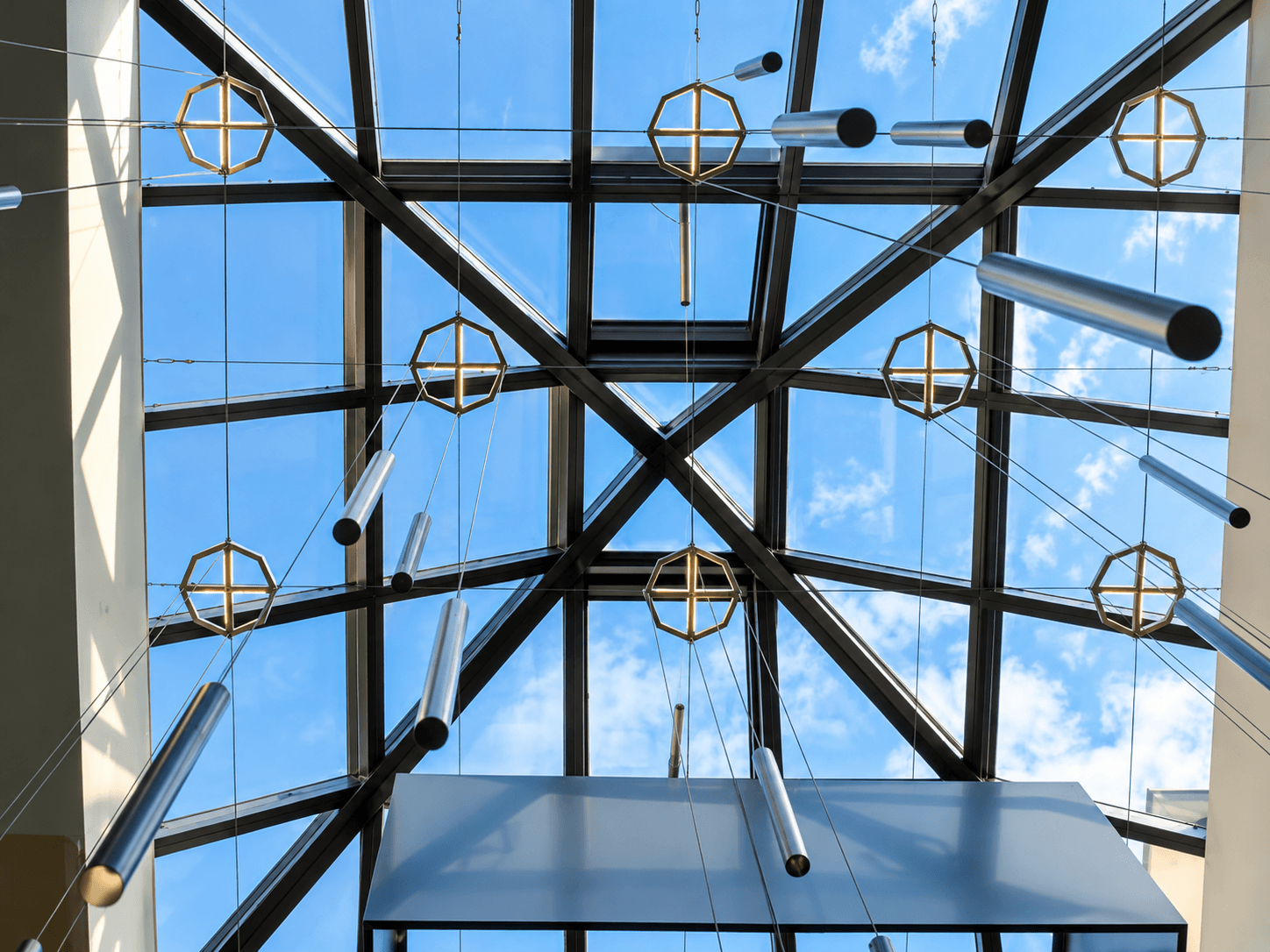
A roof lantern is a glazed structure installed above a flat or low-pitched roof. It typically consists of a raised frame supporting multiple glass panels, creating a shape that allows daylight to enter from several directions. Common designs include rectangular, square, and elongated structures, with frame finishes available to suit both traditional and contemporary properties.
Unlike a standard rooflight, which generally sits closer to the roof surface, a lantern has a raised profile. This gives it a distinctive appearance and can help distribute natural light across a wider area. Roof lanterns are frequently installed in kitchen extensions, dining rooms, conservatories, and open-plan spaces where additional daylight can improve everyday use.
The right design depends on the room’s dimensions, roof construction, orientation, and the amount of daylight required.
One of the main advantages of overhead glazing is its ability to bring daylight into areas that may remain dim even during the day. Vertical windows primarily admit light from the sides, while roof glazing allows daylight to enter from above.
This can be particularly useful in rear extensions where neighbouring buildings, boundary walls, or the original structure restrict sunlight. A well-positioned lantern may make a dining area feel more open and help reduce the need for artificial lighting during daylight hours.
Roof glazing can also create a visual connection with the outdoors. Changes in the sky, passing clouds, and seasonal light become part of the room’s appearance. In kitchens and dining spaces, this feature can add architectural interest without taking up valuable wall space.
However, results depend on the size and placement of the glazing, the surrounding buildings, and the local climate. Larger glass areas do not automatically guarantee a comfortable or energy-efficient room.
Material selection affects durability, maintenance, thermal performance, and appearance. Aluminium is a common frame choice because it is lightweight, strong, and suitable for slim profiles. Its powder-coated finishes also provide options for matching existing doors, windows, and exterior details.
The glazing deserves equal attention. Double-glazed units are widely used, while triple glazing may be appropriate where improved insulation is a priority. Low-emissivity coatings help reduce heat transfer, and argon-filled sealed units can improve insulation compared with otherwise similar air-filled units.
Solar-control glass may help limit unwanted solar heat gain, especially on roofs receiving strong afternoon sunlight. The most suitable specification depends on the building’s orientation, local weather, heating and cooling systems, and applicable building regulations.
Ask suppliers for the glazing’s declared thermal performance, often expressed as a U-value, and its solar energy transmittance. A lower U-value generally indicates less heat transfer, while solar transmittance describes how much of the sun’s energy passes through the glass.
See also: How Can Professional Web Design Help Businesses Grow Online?
Before comparing products, measure the available roof opening and confirm the structural requirements with a qualified installer or building professional. The roof must support the additional load, and the opening needs appropriate reinforcement, waterproofing, and insulation.
Consider how the lantern will look from both inside and outside. A frame that is too large may dominate a compact room, while an undersized design may provide less daylight than expected. The roof’s dimensions and the room’s proportions should guide the choice.
When comparing roof lanterns, check the frame material, glass specification, weather resistance, warranty, maintenance requirements, and compatibility with the existing roof system. Product photographs can help with appearance, but technical drawings and installation instructions provide more useful information for assessing suitability.
It is also worth considering ventilation. A fixed lantern does not provide an opening for fresh air, so the room may need suitable windows, mechanical ventilation, or another ventilation arrangement to maintain indoor comfort.
Shopping for roof glazing online allows homeowners to compare designs, dimensions, finishes, and specifications without visiting several showrooms. However, the lowest advertised price may not represent the final cost of the project.
When browsing roof lanterns online, check exactly what the quoted price includes. Some prices cover the frame and glazing only, while others may include additional components or delivery. Installation, roof alterations, structural work, insulation, internal finishing, and disposal of existing materials may be charged separately.
Compare products with similar dimensions and technical specifications. A lower-priced model may use a different glass configuration, offer a shorter warranty, or require additional components before installation.
Before ordering, confirm the external dimensions, required structural opening, roof pitch limitations, delivery arrangements, and lead times. Ask the supplier whether replacement seals or glazing units are available should repairs be needed in the future.
Roof glazing can contribute to a bright, pleasant interior, but it also changes how a room gains and loses heat. In colder weather, poorly insulated glazing can increase heat loss. During sunny periods, excessive solar gain can cause overheating, particularly in rooms with limited ventilation.
For roof lanterns for sale, compare verified thermal and solar-performance figures rather than relying solely on general claims about energy efficiency. Look for glazing specifications that suit the property’s climate and intended use.
The direction the roof faces is another important consideration. South-facing glazing in the Northern Hemisphere may receive substantial sunlight, while north-facing glazing usually receives more consistent indirect daylight. East- and west-facing installations can experience strong morning or afternoon sun.
Blinds, external shading, suitable ventilation, and careful placement can help manage glare and summer temperatures. Their effectiveness varies with the building design, so these features should be considered during planning rather than added as an afterthought.
Correct installation is essential for long-term performance. The roof opening must be structurally sound, and the junction between the lantern and the roof needs reliable flashing, weatherproofing, and insulation. Poor detailing can lead to water ingress, draughts, condensation, or heat loss.
Use an installer who understands the particular glazing system and can explain the work required before the project begins. Depending on the property and location, planning permission, building approval, or compliance with local construction standards may also need to be checked.
Maintenance is usually straightforward. Clean the glass with appropriate products, inspect accessible seals and drainage channels, and follow the manufacturer’s guidance for the frame finish. Avoid abrasive materials that could scratch the glass or damage protective coatings.
Any signs of persistent condensation between sealed panes, water ingress, or damaged frame components should be investigated promptly. Repairs made early can help prevent more extensive damage to surrounding roof materials and interior finishes.
A well-selected roof lantern can bring daylight into a room, add architectural character, and make an extension feel more connected to the outdoors. The best results come from balancing appearance with insulation, solar control, structural requirements, and installation quality.
Before committing to a purchase, compare complete specifications, confirm the suitability of the roof structure, and obtain a detailed installation quotation. Taking these steps helps ensure that the finished feature meets the property’s practical needs as well as the homeowner’s design preferences.