Newsletter Subscribe
Enter your email address below and subscribe to our newsletter

 ByJohn A
Building a balanced fitness routine involves more than focusing on one muscle group or repeating the same exercises every day. A well planned workout should include movements that support strength, flexibility, coordination, stability, and body awareness. Pilates is a popular exercise method that brings these elements together through controlled movements and focused breathing.
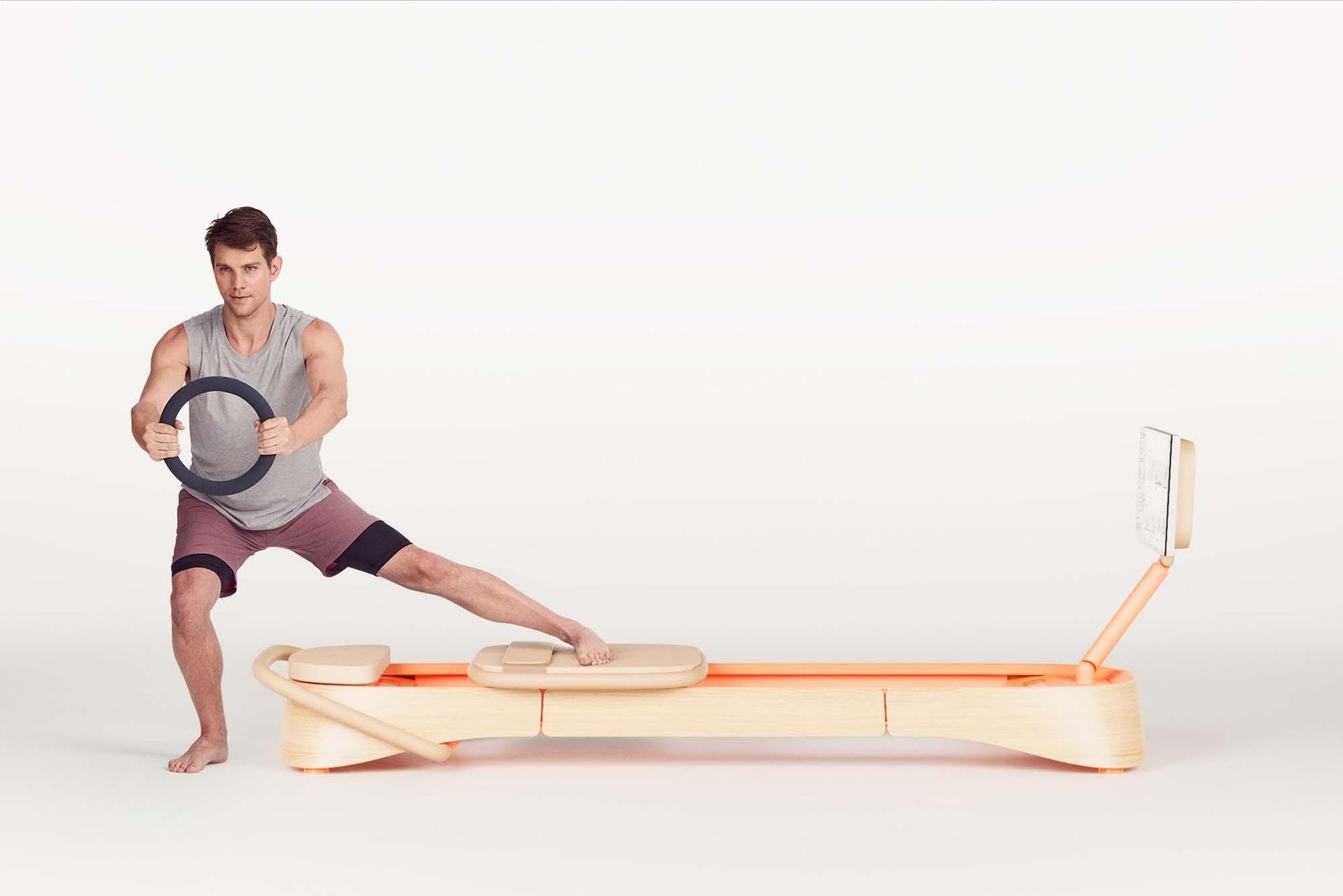
Reformer Pilates adds specialised equipment to traditional Pilates exercises. The machine typically uses a sliding carriage, resistance springs, straps, and a footbar to support different movements. Depending on the design and the user’s experience, it can be used for exercises involving the legs, arms, abdominal muscles, back, and other stabilising muscles.
Understanding reformer machine Pilates exercises can help beginners and experienced users organise their workouts more effectively. By selecting suitable movements and progressing gradually, you can develop a routine that supports your fitness goals while maintaining control and proper technique.
A Pilates reformer is a piece of exercise equipment designed to provide resistance or assistance during controlled movements. Its main components generally include a frame, a sliding carriage, springs, a footbar, and straps with handles.
The carriage moves along the frame as you push, pull, or control different movements. Springs provide resistance, although the precise mechanism and available adjustments depend on the model.
Reformer exercises can be performed in several positions, including lying down, sitting, kneeling, and standing. This variety allows users to practise different movement patterns while adjusting the level of challenge to suit their ability.
A reformer is not limited to advanced Pilates practitioners. Beginners can also learn foundational movements when the equipment is adjusted appropriately and the exercises are introduced gradually.
Reformer Pilates can offer several benefits when incorporated into a suitable fitness routine.
Many reformer exercises require you to maintain a stable trunk while moving your arms or legs. This encourages coordination between the abdominal muscles, back muscles, and other structures involved in stabilisation.
Core focused exercises may help develop better control during physical activities, although results depend on technique, consistency, and individual factors.
The moving carriage and resistance mechanism provide feedback throughout an exercise. This can encourage users to pay attention to movement speed, alignment, and coordination.
Rather than rushing through repetitions, reformer Pilates emphasises controlled movement and deliberate positioning.
The reformer can support a wide range of exercises. Depending on the equipment and the user’s ability, sessions can include lower body movements, upper body exercises, core work, and selected balance challenges.
This variety makes it possible to organise workouts around different goals without necessarily changing equipment.
Some reformer movements involve controlled stretches and movements through different ranges of motion. These exercises may contribute to flexibility and movement awareness when performed comfortably.
Users should avoid forcing stretches or moving beyond their ability. Proper technique remains important throughout the session.
Before performing any exercise, become familiar with the reformer’s operating instructions and resistance settings.
Check that the machine is assembled correctly, placed on a stable surface, and free from visible damage. Make sure the straps, springs, and other components are secure before beginning.
Keep the following principles in mind:
Beginners may benefit from working with a qualified Pilates instructor, particularly when learning exercises that require precise positioning or coordination.
Footwork is commonly introduced early in reformer Pilates because it helps users become familiar with the carriage, footbar, and resistance system.
Depending on foot placement and the variation used, footwork involves the quadriceps, hamstrings, gluteal muscles, and calf muscles.
The exercise also provides an opportunity to practise controlled knee and hip movement.
Keep the movement smooth and avoid snapping the knees straight. Maintain a comfortable range of motion and do not allow the carriage to return suddenly.
Beginners should use an appropriate resistance setting and learn the exercise under supervision if they are unfamiliar with the equipment.
The Hundred is a traditional Pilates exercise that may be adapted for use on a reformer. It is commonly used to practise coordinated breathing and sustained core engagement.
The exact setup varies according to the reformer and the version being taught. A qualified instructor can help you select an appropriate variation.
A general approach involves the following steps:
Some versions involve lifting the head and shoulders or extending the legs. These variations can increase the challenge and may not be suitable for every beginner.
The Hundred is intended to combine breathing, coordination, and core endurance. It should not cause excessive neck strain or force the lower back into an uncomfortable position.
If you cannot maintain a comfortable position, choose a supported variation or learn the exercise without adding unnecessary complexity.
Leg circles are used in Pilates to practise controlled hip movement while maintaining stability through the trunk.
The reformer setup depends on the exercise variation and attachment system. Follow the equipment instructions and learn the correct strap placement before beginning.
Leg circles can help develop awareness of hip movement and coordination. The exercise also challenges your ability to keep the trunk stable while the legs move.
Start with small circles and increase the range only when you can maintain control. Avoid allowing the pelvis to rock excessively or forcing the hips into an uncomfortable position.
The Long Stretch is an established reformer exercise that requires coordinated control of the shoulders, trunk, and legs. It can be demanding for beginners because the body is supported in a plank like position while the carriage moves.
This exercise should be learned with a qualified instructor before attempting it independently.
A general sequence involves:
The exercise can challenge the abdominal muscles, shoulders, arms, legs, and other muscles that stabilise the body.
The difficulty depends on the resistance setting, body position, and the individual’s strength and coordination.
The Long Stretch is not an essential starting exercise for every user. Beginners may need simpler supported movements before progressing to this variation.
Avoid continuing if you cannot maintain stable alignment or if your wrists, shoulders, or back become uncomfortable.
Reformer rowing exercises use the straps to create resistance during controlled arm and trunk movements. The exact position and movement pattern vary across rowing variations.
Depending on the variation, rowing exercises may involve the upper back, shoulders, arms, and muscles that stabilise the trunk.
They also encourage coordination between arm movement and posture.
Choose resistance that allows you to maintain smooth movement. Avoid leaning excessively backward or pulling the straps abruptly to complete a repetition.
Exercises performed with the feet in straps can introduce different movement patterns for the hips and legs. Depending on the variation, they may include leg presses, small circles, or controlled opening and closing movements.
Feet in straps exercises can provide a different form of resistance from standing or footbar movements. They can also encourage coordination between the hips, legs, and trunk.
The correct setup is essential because strap placement and spring tension vary by machine and exercise. Follow the manufacturer’s instructions and obtain guidance before attempting unfamiliar variations.
The Scooter is a standing reformer exercise that typically involves keeping one foot on a stable platform while the other foot works with the moving carriage.
It can challenge lower body strength, balance, and coordination. Because the movement is performed while standing, it may be more appropriate for users who already have some reformer experience.
Practise the basic position with supervision before attempting a full movement. Use appropriate support if recommended by your instructor.
Avoid choosing this exercise if you cannot maintain balance or if the machine setup is unfamiliar.
Bridging is a Pilates movement that may be performed on a reformer when the setup and exercise variation are appropriate.
Bridging can involve the gluteal muscles, hamstrings, and muscles that stabilise the pelvis. It also provides an opportunity to practise controlled hip movement.
The movement should feel comfortable. Avoid lifting too high or arching your back excessively to achieve a greater range.
A balanced routine should reflect your experience level, fitness goals, and recovery needs. You do not need to perform every reformer exercise in a single session.
Instead, choose a manageable combination of movements that address different areas of fitness.
A beginner session might include:
As your coordination improves, you may be able to add more challenging variations under suitable guidance.
Correct technique matters more than completing a large number of repetitions. Pay attention to your body position, breathing, and carriage control.
If your form begins to deteriorate, reduce the range, adjust the resistance when appropriate, or stop the exercise.
Your routine should provide enough recovery between demanding sessions. Exercise frequency depends on your fitness level, workout intensity, and other activities.
If you are returning to exercise after a long break, begin conservatively and increase the workload gradually.
Even a well designed machine cannot replace correct technique. Several common mistakes can make exercises less comfortable or reduce movement control.
Higher resistance can make exercises more demanding, but it can also make it harder to maintain proper alignment.
Choose a setting that allows you to move smoothly and follow the instructions for each exercise.
Rapid movements can reduce your ability to control the carriage and return it safely.
Focus on steady movement rather than speed. The goal is to maintain control through the entire exercise.
Poor positioning may place unnecessary strain on the wrists, shoulders, hips, or back.
Learn the correct setup for each movement and use a mirror or instructor feedback when appropriate.
Breathing is an important part of Pilates. Holding your breath may make it harder to maintain a relaxed and controlled movement pattern.
Breathe steadily and follow your instructor’s breathing cues without forcing a particular pattern.
Some reformer movements require significant strength, balance, and coordination.
Build your skills with foundational exercises before attempting advanced variations. Progress should be based on your ability to maintain technique rather than a desire to perform the most difficult exercise.
If you plan to practise reformer Pilates at home, evaluate the machine before making a purchase.
Consider these factors:
The best equipment is one that supports your intended exercises, fits your space, and allows you to practise safely and consistently.
Reformer machine Pilates is a form of Pilates performed using equipment with a moving carriage and a resistance system. It supports a variety of controlled exercises for the upper body, lower body, and core.
Yes. Beginners can start with foundational exercises when the machine is adjusted correctly and the movements match their experience. Learning from a qualified instructor can help establish proper technique.
Basic footwork is often introduced early because it helps users become familiar with the machine and its resistance. The most appropriate starting exercise depends on individual ability and any physical limitations.
Many reformer routines include exercises for the legs, arms, trunk, and stabilising muscles. The overall workout depends on the exercises selected, equipment design, and the user’s technique.
The appropriate frequency depends on your experience, workout intensity, and recovery. Begin with a manageable schedule and increase your practice gradually as your technique and tolerance improve.
A reformer can be suitable for home exercise if you have adequate space, understand its operation, and can use it safely. Consider equipment dimensions, resistance settings, maintenance, and instruction availability before purchasing.
An instructor is not necessarily required for every session, but professional guidance can be valuable when learning unfamiliar exercises or adjusting technique. Beginners should understand the equipment and its safety requirements before exercising independently.
Reformer Pilates offers a versatile way to practise controlled movement, resistance training, core stability, and coordination. A carefully selected combination of exercises can help you organise a balanced routine that reflects your fitness goals and experience.
Understanding reformer machine Pilates exercises is an important first step toward using the equipment effectively. Start with foundational movements, learn the correct setup, and progress to more demanding variations only when you can maintain proper control.
With appropriate equipment, consistent practice, and attention to technique, reformer Pilates can become a valuable part of a balanced home fitness routine.