Newsletter Subscribe
Enter your email address below and subscribe to our newsletter

 ByJohn A
Shampoo does not have to come in a plastic bottle. Shampoo bars offer another way to clean your hair, combining a compact format with a routine that can be easy to carry, store, and maintain. They have become an appealing option for people who want to simplify their bathroom shelves, reduce packaging waste, or try a different approach to hair care.
However, not every shampoo bar works the same way. Ingredients, cleansing strength, hair texture, scalp condition, and personal preferences all influence which product is most suitable. Understanding these differences can help you make a better choice and avoid common problems when switching from liquid shampoo.
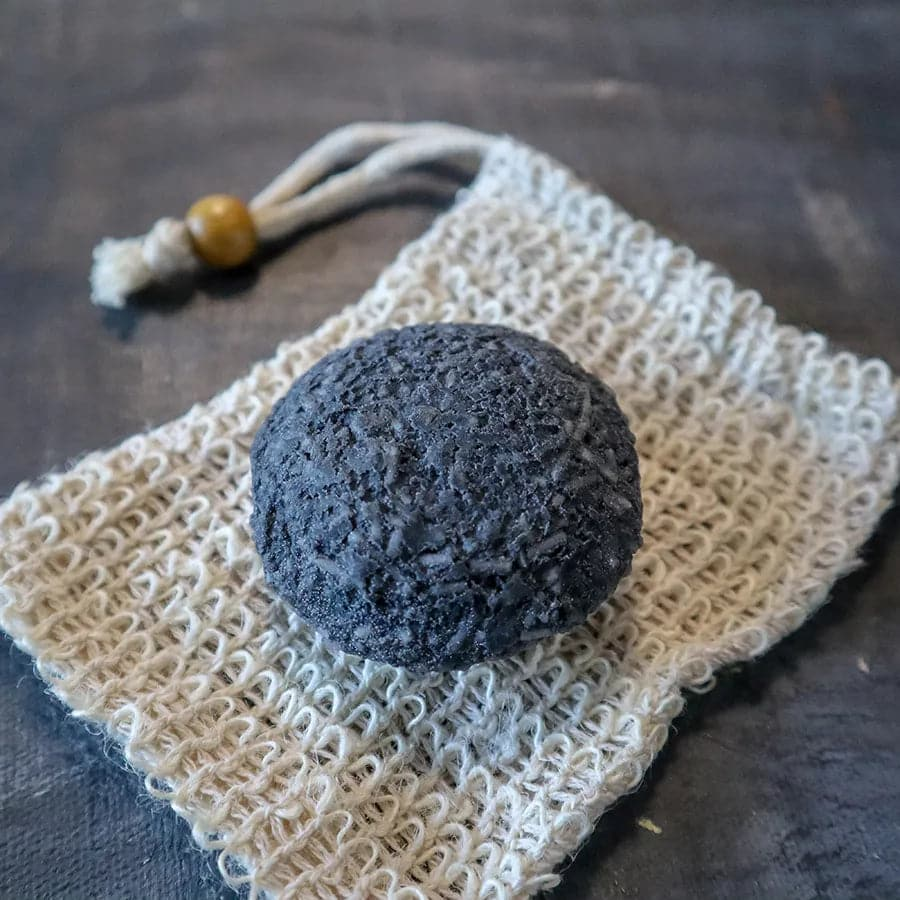
A shampoo bar is a solid hair-cleansing product used instead of conventional liquid shampoo. It is generally activated with water and applied either directly to wet hair or by rubbing it between wet hands to create a lather.
There are different formulations on the market. Some use cleansing ingredients similar to those found in liquid shampoos, while others rely on traditional soap-based formulas. This distinction matters because the ingredients and pH of a product can affect how it feels on the scalp and hair.
A well-chosen shampoo bar should clean the scalp without leaving the hair feeling excessively dry, coated, or difficult to manage. The best option depends on your hair’s needs rather than the shape of the product alone.
Solid shampoo offers several practical advantages, although the experience varies by formula and how the product is used.
One reason shoppers consider solid shampoo is the possibility of reducing plastic packaging. A compact bar may require less packaging than a bottled product, depending on how it is manufactured and sold.
The overall environmental impact still depends on ingredients, production, transport, packaging, and how efficiently the bar is used. Choosing a product you can finish completely is a sensible way to avoid unnecessary waste.
Shampoo bars are compact and do not carry the same risk of liquid spills as bottled shampoo. They can fit into a small toiletry pouch and may be convenient for weekends away, gym visits, and longer trips.
For travel, allow the bar to dry before packing it in a container. A wet bar can become soft and messy, especially when stored in an airtight case for an extended period.
A shampoo bar does not need to stand upright in a bottle or take up much shelf space. A draining soap dish or ventilated holder can keep it accessible while helping it dry between washes.
Proper storage also helps prevent the bar from dissolving prematurely.
Shampoo bars are available in formulas intended for a range of hair types and preferences. Some focus on gentle cleansing, while others emphasize moisture, nourishment, or particular scalp-care needs.
The product description and ingredient list are more useful guides than marketing terms alone. A bar labeled “natural” or “nourishing” is not automatically suitable for every person.
Knowing the difference between common formulations can make choosing a product easier.
Syndet bars use synthetic detergents rather than relying primarily on traditional soap. Despite the word “synthetic,” the ingredients can vary widely, and the term does not automatically indicate whether a formula is gentle or harsh.
Many syndet bars are formulated at a pH more compatible with the scalp and hair than traditional alkaline soap. This can make them a useful starting point for people who want a solid alternative to bottled shampoo.
Soap-based shampoo bars are made using soap ingredients, often produced by combining fats or oils with an alkali. Their pH is generally alkaline.
Depending on the water and hair type, alkaline soap can leave some hair feeling rough, tangled, or coated. This is particularly noticeable for certain hair textures and in areas with hard water. Before choosing a soap-based product, check its formulation and consider whether it is appropriate for your hair.
Moisturizing shampoo bars are designed for people who find that their hair feels dry or difficult to manage after cleansing. Depending on the formula, they may contain conditioning ingredients or oils that influence how the hair feels afterward.
A moisturizing formula can be worth considering for dry lengths, curly hair, or hair exposed to frequent styling. However, people with fine hair may prefer a lighter formula that does not leave the strands feeling weighed down.
Nourishing shampoo bars are marketed around supporting a comfortable cleansing routine and improving the feel of the hair. Their performance depends on the actual ingredients and how those ingredients interact with your hair.
Read product descriptions carefully and avoid assuming that a particular bar will repair all forms of hair damage. Cleansing products can improve manageability, but they cannot reverse every type of structural damage.
The most useful way to compare products is to start with your everyday hair concerns.
Fine hair: Look for a formula that cleans effectively without leaving the hair feeling heavy or coated.
Thick hair: Consider how easily you can distribute the product through your scalp and rinse it out. You may prefer to lather the bar in your hands before applying the foam.
Curly or textured hair: Focus on cleansing strength and how your hair feels after washing. A gentle formula and a suitable conditioner may help with manageability.
Dry or damaged hair: Consider a formula designed for gentle cleansing and pair it with a conditioner suited to your hair. Minimize unnecessary heat styling and rough handling as well.
Hair type is only one factor. Scalp oiliness, sensitivity, water hardness, and washing frequency can also affect the result.
Take a look at the ingredient list rather than relying entirely on the product name. If you have a sensitive scalp, pay attention to fragrances and other ingredients that have caused reactions in the past.
Oils and conditioning ingredients may change the way a bar feels, but more oil does not necessarily mean a better product. The formula must balance cleansing with the needs of your scalp and hair.
If you have a known allergy, check the full ingredient list before using a new product.
A shampoo should remove excess oil, dirt, and product residue without leaving your scalp uncomfortably tight or your hair unusually rough.
If your hair feels dry after washing, consider whether the shampoo is too cleansing for your needs, whether you need a conditioner, or whether your washing habits need adjusting. Changing several products at once can make it difficult to identify the cause.
A bar should fit comfortably into your routine. Consider its size, how easily it lathers, how it needs to be stored, and whether the manufacturer provides clear instructions.
If you have very long or thick hair, applying the product directly to every section may take extra time. Creating lather between your hands first can make distribution easier.
Switching to a solid shampoo may require a little experimentation. Follow the manufacturer’s instructions, since different formulas can behave differently.
Step 1: Wet your hair thoroughly. Water helps distribute the cleanser and loosen everyday buildup.
Step 2: Create a lather. Rub the wet bar between your hands or glide it gently over the scalp if the product instructions recommend direct application. Avoid excessive rubbing along the hair lengths.
Step 3: Massage the scalp. Use your fingertips to distribute the lather across the scalp. Fingernails can scratch or irritate the skin.
Step 4: Rinse thoroughly. Take time to remove the product, particularly around the hairline, behind the ears, and at the back of the head.
Step 5: Condition as needed. Apply conditioner according to your hair’s needs, concentrating on the lengths and ends if those areas tend to become dry or tangled.
Step 6: Let the bar dry. Place it on a draining surface between uses rather than leaving it submerged in water.
Start with the washing frequency that normally works for your scalp. A shampoo bar does not automatically require you to wash your hair more or less often.
A few avoidable mistakes can make the transition more difficult than necessary.
You do not need to push through discomfort in the hope that your scalp will eventually adapt.
Storage has a direct effect on how easily a solid shampoo can be used. After washing, keep the bar away from the shower stream and allow excess water to drain away.
A soap dish with drainage holes or a ventilated holder is generally more suitable than a container that traps water. For travel, dry the bar before placing it in a case whenever possible.
If several people share a bathroom, keeping individual bars separate can make storage and hygiene easier. Follow the product’s care guidance and avoid leaving it in a warm, wet area for long periods.
A shampoo bar may be a good fit if you prefer compact toiletries, want to explore alternatives to bottled shampoo, or value a simpler storage setup. It may be less suitable if you have already found that a particular solid formula irritates your scalp or leaves your hair difficult to manage.
There is no single shampoo format that works best for everyone. A well-formulated liquid shampoo can also be a perfectly reasonable choice. What matters most is finding a product that cleans comfortably and suits your hair-care routine.
To compare solid options, explore the shampoo bar collection at Plantish Future. Review the product details and ingredients to identify a formula that aligns with your preferences.
Shampoo bars provide a compact alternative to bottled shampoo, with potential benefits for storage, travel, and packaging reduction. Their performance depends on the formulation, application method, and needs of your hair and scalp.
Check the ingredients, choose a suitable cleansing strength, rinse thoroughly, and store the bar somewhere it can dry between uses. If your first choice does not work well, reconsider the formula rather than assuming that all shampoo bars will produce the same results.
A thoughtful choice can make solid shampoo a practical part of your hair-care routine while keeping your focus where it belongs: clean, comfortable hair and a healthy scalp.