Newsletter Subscribe
Enter your email address below and subscribe to our newsletter

 ByJohn A
A small bedroom can feel crowded long before every inch of floor space is occupied. Clothes spill from drawers, shoes collect near the bed, and bags or accessories end up on whichever surface is available. The problem often comes from a lack of suitable storage rather than an excess of belongings. Standard wardrobes and basic shelves may leave awkward gaps, unused corners, and piles of items that never seem to have a proper place.
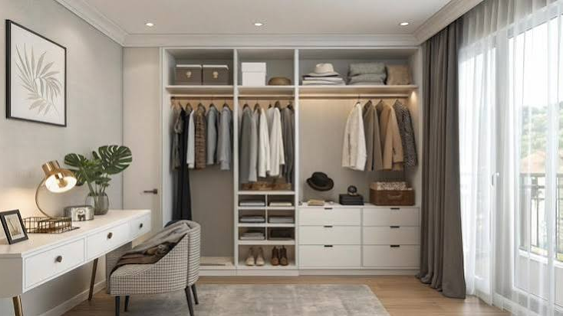
Closet custom shelving offers a practical way to organise these everyday belongings around the available space. Instead of forcing a bedroom to accommodate storage that does not fit its layout, homeowners can arrange shelves, drawers, hanging rails, and compartments according to their needs. The result can be a room that feels calmer, looks tidier, and is easier to maintain.
In a compact bedroom, wasted space quickly becomes noticeable. A wardrobe may have a large open section above the hanging rail, while its lower area remains crowded with shoes and folded clothes. Standard shelving can leave gaps along the sides or fail to reach the ceiling, creating areas that collect dust without serving a useful purpose.
Custom shelving makes better use of the available dimensions. Shelves can be designed to fit the height and width of a closet, including narrow sections that might otherwise go unused. Taller storage can accommodate seasonal bedding, luggage, or rarely worn clothing, while accessible shelves keep daily essentials within easy reach.
This arrangement reduces the need for additional storage furniture around the bedroom. Rather than adding another cabinet beside the bed or a rack near the door, homeowners can organise more belongings inside the closet itself.
See also: 5000 kVA Transformer Specification: How to Match Transformer Ratings to Your Power Needs
Clutter often develops because everyday items do not have designated storage areas. A handbag lands on a chair, accessories fill a bedside drawer, and folded clothes become mixed with items waiting to be put away.
A well-planned shelving system separates belongings according to how they are used. Frequently worn clothing can sit at eye level, accessories can occupy smaller compartments, and less-used possessions can be stored on higher shelves. Shoes may have their own section, while baskets can hold smaller items that are difficult to arrange neatly.
This organisation makes it easier to return belongings to their proper places after use. It also reduces the time spent searching for specific items, particularly during busy mornings.
The arrangement should reflect actual habits rather than an idealised storage routine. Someone who wears work clothes regularly may need more hanging space, while a person with a large collection of knitwear may benefit from wider shelves for folded garments.
Floor space has a strong influence on how spacious a small bedroom feels. Even a few pairs of shoes, a laundry basket, and a storage box can make a narrow walkway appear crowded.
Custom shelving can move many of these belongings into the closet, leaving more room around the bed and other furniture. Shoe shelves keep footwear off the floor, while upper compartments provide space for spare blankets and seasonal items. Built-in drawers can also reduce the need for a separate chest of drawers if the closet layout allows it.
A clear floor creates a more open visual path through the room. It also makes vacuuming and general cleaning easier because fewer objects need to be moved before the floor can be reached.
For particularly small bedrooms, this can make a noticeable difference without requiring new furniture or major structural changes.
Small rooms rarely have enough floor area for storage to spread horizontally. Vertical space, however, often remains underused. A closet that stops well below the ceiling may have considerable room available above the existing shelves.
Extending storage upwards provides a place for items that do not need to be accessed every day. Winter bedding, spare pillows, travel bags, and seasonal clothing can be kept on higher shelves, leaving the lower sections available for regular use.
The placement of each shelf matters. Everyday possessions should remain at a comfortable height, while heavier or frequently handled items should not be placed somewhere difficult to reach. A stable step stool may help with occasional access, but the storage plan should not require climbing for basic daily essentials.
Using the full height of a closet helps keep belongings contained within one area instead of spreading across the bedroom.
A room can contain useful furniture and still feel untidy if too many objects remain visible. Open piles of clothing, mixed storage containers, and crowded surfaces compete for attention, making a small space appear busier than it really is.
Custom shelving can reduce this visual noise by grouping similar belongings together. Matching baskets, consistent shelf spacing, and concealed drawers create a more organised appearance. Frequently used items can remain accessible, while smaller possessions are stored out of sight.
The design does not need to be elaborate. Simple shelves in a finish that complements the bedroom furniture can create a consistent look without making the closet feel oversized.
Light-coloured finishes may help a compact closet feel brighter, while integrated lighting can make darker corners easier to use. Good lighting also helps people identify clothing and accessories without pulling everything from the shelves.
Storage requirements rarely remain the same throughout the year. Clothing changes with the seasons, hobbies introduce new equipment, and household needs evolve over time. A rigid closet layout may become inconvenient as these changes occur.
A flexible shelving system allows different areas to serve different purposes. Adjustable shelves can accommodate taller boots, folded blankets, or storage boxes as needed. Additional drawers or dividers can help organise accessories, belts, scarves, and other small possessions.
This flexibility is especially useful in shared bedrooms, where two people may have different clothing collections and storage habits. Dividing the closet into clearly defined sections can make it easier to manage personal belongings without encroaching on someone else’s space.
Planning for future use also helps prevent the closet from becoming overcrowded soon after installation. A little spare capacity allows new belongings to be accommodated without immediately disrupting the arrangement.
A successful shelving design begins with an honest assessment of the items that need to be stored. Measuring the closet is only the first step. Homeowners should also consider the amount of hanging space required, the types of clothing they own, the number of shoes they use regularly, and the accessories that tend to accumulate.
The closet door and the surrounding bedroom layout deserve attention as well. Sliding doors may suit tight spaces where a hinged door would obstruct a walkway. Shelves should not interfere with hanging garments, and drawers need sufficient clearance to open comfortably.
Materials should be selected for durability and ease of cleaning. Strong shelving is particularly important for heavier items, while smooth surfaces make routine maintenance simpler. Professional installation may be helpful for floor-to-ceiling systems or designs that need secure wall fixings.
A carefully measured layout can prevent awkward gaps and make the finished storage feel like a natural part of the room.
A small bedroom does not necessarily need fewer belongings to feel organised. It needs storage that accommodates those belongings without taking over the space. By using vertical areas, separating everyday essentials, and keeping unnecessary items off the floor, closet custom shelving can make a bedroom easier to navigate and more pleasant to spend time in.
The most effective design is one that supports daily routines. Clothes should be easy to find, accessories should be simple to put away, and frequently used items should remain within reach. Once storage works with these habits, tidiness becomes less of a daily task and more of a natural part of using the room.
A well-organised closet also gives the bedroom a clearer visual focus. The bed, lighting, and decorative details can stand out without competing with piles of belongings. Even in a limited space, thoughtful storage planning can create a room that feels more open, comfortable, and personal.