Newsletter Subscribe
Enter your email address below and subscribe to our newsletter

 ByJohn A
Natural daylight can make indoor spaces feel more open, reduce reliance on artificial lighting, and improve the usability of rooms that receive little light from conventional windows. In many buildings, however, side windows cannot distribute daylight evenly across large floor areas. Roof glazing offers another way to bring sunlight indoors without taking up valuable wall space.
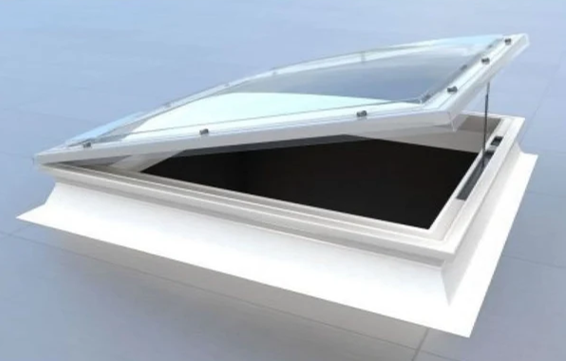
Polycarbonate roof light domes are a practical option for introducing daylight into residential, commercial, industrial, and public buildings. Made from a durable thermoplastic material, these domes are available in different shapes, sizes, colours, and light-transmission levels. Their adaptability allows architects, contractors, and property owners to select designs that suit the building’s layout and intended use.
One reason polycarbonate roof light domes suit a wide range of properties is their relatively low weight. Compared with many glass alternatives, polycarbonate is lightweight, making it easier to handle during transport and installation. This can be useful for both new construction projects and upgrades to existing roofs.
A lighter rooflight assembly may place less additional load on the supporting structure, although the complete unit, frame, kerb, and fixing system must still be assessed. The roof’s condition and load-bearing capacity should be checked before installation, particularly in older buildings.
For warehouses, workshops, and large commercial properties, lightweight rooflights can simplify the installation process across extensive roof areas. In residential buildings, they can provide daylight above kitchens, hallways, stairwells, and extensions where conventional windows may not be practical.
The final choice should account for the roof construction, opening dimensions, wind exposure, and the manufacturer’s installation requirements.
Homes often contain internal areas that receive limited daylight. Bathrooms, landings, corridors, and rooms beneath flat roofs can feel dark even during the day. A rooflight dome can introduce sunlight from above, helping these spaces feel brighter without requiring a new external wall opening.
Polycarbonate domes can be particularly useful in home extensions, conservatories, garages, and utility rooms. Their curved profile can also help rainwater run off the surface when the product is correctly installed and designed for the roof pitch.
Homeowners can choose clear, opal, or tinted options according to their needs. Clear versions allow a more direct view of the sky and stronger daylight transmission, while opal or diffused versions soften incoming light and reduce direct visibility through the roof.
The appropriate option depends on the room’s purpose. A kitchen may benefit from strong daylight, while a bathroom or bedroom could require greater privacy and more controlled light levels.
Offices, retail units, showrooms, and other commercial buildings often have deep floor plans that limit the reach of windows along external walls. Rooflights can help distribute daylight into these areas, reducing the need to rely entirely on electric lighting during suitable daylight conditions.
In an office, additional daylight can make shared spaces, meeting rooms, and circulation areas more pleasant to use. Retail businesses may use roof glazing to create a brighter atmosphere, particularly in premises where the display or sales floor extends well beyond the front windows.
The placement of each dome matters. Several smaller rooflights may distribute daylight more evenly than one large opening, depending on ceiling height, roof layout, and the room below. Designers should also consider glare on computer screens, heat gain, and the position of workstations.
Although rooflights can reduce daytime lighting demand, the actual energy savings depend on daylight availability, building orientation, glazing performance, and how the lighting controls are configured.
Factories, distribution centres, workshops, and warehouses frequently cover large areas with limited access to natural light. Roof-mounted daylight systems can help illuminate central work zones that remain distant from windows and external doors.
Polycarbonate roof light domes offer a useful balance of low weight and impact resistance for suitable industrial applications. Polycarbonate is generally more impact-resistant than ordinary glass, although performance varies by sheet thickness, product design, and installation quality. The selected system must meet the demands of the building and its operating environment.
Industrial property managers should consider the roof’s exposure to wind, airborne debris, dust, and changing temperatures. They should also review the fire-performance classification and any requirements that apply to the building’s use.
Maintenance access is another factor. Rooflights should not be treated as walking surfaces unless they are specifically designed and certified for that purpose. Appropriate access controls and fall-protection measures are essential for inspection and cleaning.
Roof glazing must withstand outdoor conditions throughout the year. Rain, wind, sunlight, temperature changes, and airborne contaminants can affect its performance over time.
Polycarbonate is valued for its impact resistance and relatively low weight. Many rooflight products also include UV-protective layers or treatments designed to help reduce material degradation and yellowing caused by sunlight. Buyers should check the manufacturer’s specifications rather than assume every product offers the same level of protection.
The dome itself is only one part of the rooflight system. Flashings, seals, fixings, frames, and the supporting kerb all contribute to weather resistance. Poor installation or deteriorating seals can allow water to enter, even if the dome material remains in good condition.
Selecting a product suited to local weather conditions and following the specified installation method can help maintain long-term performance. Regular inspections can identify cracked components, loose fixings, blocked drainage paths, or damaged seals before they lead to larger problems.
Different buildings need different levels of daylight. A clear dome may suit a workshop or circulation area where maximum natural light is desirable. An opal finish can diffuse sunlight, making it useful in bathrooms, offices, and spaces where direct views through the roof are unwanted.
Tinted options may help control brightness and solar transmission, depending on the product’s specifications. However, reducing visible light does not automatically guarantee strong thermal performance. Buyers should compare relevant glazing data, including light transmission, solar heat gain, and insulation performance.
Dome shape and dimensions also affect the final appearance. Depending on the available system, designs may include low-profile or more prominently raised forms. The roof structure, planning constraints, drainage requirements, and external appearance should all influence the selection.
Matching the dome to the building’s function is more useful than choosing a product based on appearance alone.
Correct installation is essential for achieving the expected performance of a rooflight. The installer must confirm that the opening is appropriately sized, the supporting kerb is suitable, and all seals and flashings are fitted according to the manufacturer’s instructions.
Existing roofs require particular attention. Before replacing an old rooflight, inspect the surrounding roof covering and support structure for damage or deterioration. A replacement dome may not fit an existing opening without modifications, so dimensions and compatibility should be checked beforehand.
Routine maintenance usually involves checking for cracks, discolouration, dirt build-up, loose fittings, and signs of water ingress. Cleaning instructions vary by product, and abrasive materials or unsuitable chemicals may damage the surface. Follow the manufacturer’s recommendations and use safe roof-access procedures.
For buildings with strict fire, thermal, or structural requirements, consult a qualified professional before selecting or modifying the rooflight system.
The suitability of a rooflight depends on more than its material. Room function, roof design, daylight requirements, insulation, safety standards, and maintenance access all influence the final decision.
Polycarbonate roof light domes can serve many building types because they combine relatively low weight, impact resistance, and a choice of light-transmission options. A residential extension may need a compact dome that brightens an enclosed room, while a warehouse may require multiple units selected for a much larger roof area.
Before purchasing, compare product specifications, confirm compatibility with the roof structure, and ensure the installation meets applicable building regulations. A carefully selected system can provide useful natural light while supporting the practical requirements of the building for years to come.