Newsletter Subscribe
Enter your email address below and subscribe to our newsletter

 ByJohn A
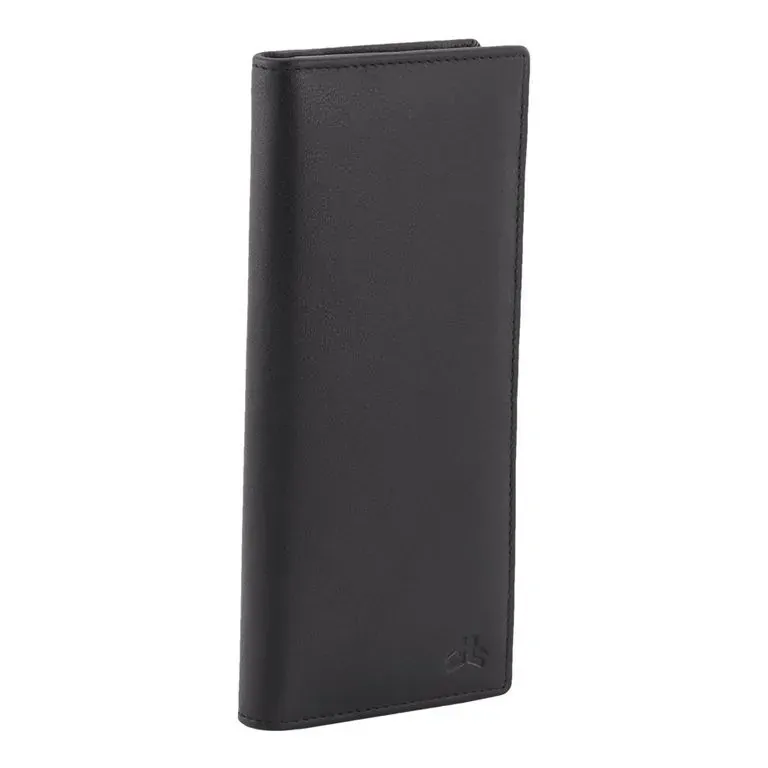
A leather wallet often becomes part of a person’s daily routine. It travels in handbags, coat pockets, and shopping bags, holding cards, cash, receipts, and small personal essentials. Frequent handling gives the leather a distinctive character, but it also exposes the wallet to oils, moisture, friction, and everyday dirt.
Proper care helps preserve the material’s appearance, flexibility, and structure. A few simple habits can reduce unnecessary wear and help a women’s leather wallets collection remain useful for years. The right approach depends on the leather finish, so understanding the material is the first step towards maintaining its quality.
Not all leather wallets respond to cleaning products in the same way. Some have a smooth, coated surface, while others feature a natural grain, a soft finish, or a suede-like texture.
Full-grain and top-grain leather wallets may develop a natural patina as they age. This gradual change in colour and surface character can add individuality to the material. Aggressive cleaning, however, can strip away natural oils or create uneven patches.
Coated or corrected-grain leather may have a protective surface that tolerates gentle wiping but reacts poorly to unsuitable solvents. Suede and nubuck require different tools because liquid cleaners can leave marks or flatten their texture.
Check the care instructions supplied with the wallet before applying any product. If the leather type is uncertain, test a suitable cleaner or conditioner on a small, hidden area first. Allow the test spot to dry completely before treating the visible surface.
Regular light cleaning is usually more effective than waiting until dirt has accumulated. Dust, makeup residue, hand lotion, and natural skin oils can gradually affect the leather, particularly around the corners and fastening area.
Start by emptying the wallet and removing loose dust with a clean, soft cloth. Wipe the exterior gently, using small movements rather than rubbing one area repeatedly. Avoid soaking the leather or applying water directly in large amounts.
For marks that do not come away with dry wiping, use a cleaner designed for the specific leather finish. Apply it according to the product directions, using a soft cloth and a small amount at a time. Never assume that household cleaning sprays, alcohol, nail polish remover, or disinfectant wipes are safe for leather.
Allow the wallet to air-dry naturally after cleaning. Direct heat can dry out the material, weaken adhesives, and cause the surface to become stiff or cracked. A slow, gentle drying process is safer for both the exterior and the lining.
Water can leave dark patches, tide marks, or changes in texture, particularly on untreated leather. Rain, spilled drinks, damp hands, and leaking cosmetics inside a handbag can all create problems.
If a wallet becomes wet, gently blot the surface with a clean, absorbent cloth. Do not rub the moisture into the leather, and avoid using a hairdryer or placing the wallet near a heater. Leave it open in a well-ventilated room until it dries.
For everyday protection, keep the wallet away from open water bottles and unsecured liquid containers inside a handbag. A small waterproof pouch can provide extra protection during travel, although the leather wallet should still be allowed to breathe when stored at home.
Water-repellent sprays should only be used when the leather manufacturer permits them. Some treatments can change the colour, texture, or finish of delicate leather. Testing a product in a concealed area is essential before applying it across the entire wallet.
Leather can lose flexibility as its natural oils diminish over time. A suitable conditioner may help maintain suppleness and reduce the risk of dryness, especially in frequently handled areas.
Choose a conditioner compatible with the wallet’s material and finish. Apply a very small amount with a soft cloth, following the manufacturer’s directions. Too much product can leave the leather greasy, attract dirt, or darken lighter colours.
Conditioning frequency depends on the leather, the climate, and how often the wallet is used. A wallet kept in a cool indoor environment may require less attention than one exposed to heat and dry air every day.
Some coated leather products do not need conditioning at all. Suede and nubuck also require specialised care rather than ordinary leather cream. When the care instructions advise against conditioning, follow them.
Daily handling creates small marks that can become more noticeable over time. Keys, metal handbag fittings, pens, and rough objects may scratch the surface or leave pressure marks when stored alongside a wallet.
Use a separate compartment or soft pouch to keep sharp items away from the leather. Pens should have secure caps, and cosmetics should remain in sealed containers. Keeping receipts and loose coins organised also prevents the wallet from becoming unnecessarily bulky.
Dark denim and newly dyed fabrics can transfer colour onto pale leather. This is particularly common when a light-coloured wallet rubs against dark clothing or the lining of a new handbag. Store the wallet in a separate compartment when possible, and avoid placing it against damp or heavily dyed fabrics.
Do not attempt to remove a stubborn ink mark with strong solvents. These can spread the stain or remove the leather’s colour. A leather-care specialist is a safer option for difficult stains, especially on expensive or delicate wallets.
Storage conditions affect how leather ages. Excessive heat, direct sunlight, high humidity, and prolonged compression can all damage its appearance or shape.
When the wallet is not being used, empty it and remove unnecessary cards, receipts, and coins. This helps the compartments retain their original dimensions and prevents the fastenings from remaining under pressure.
Store the wallet in a breathable fabric dust bag or a clean drawer. Avoid sealed plastic bags for long-term storage because trapped moisture may encourage mould or create an unpleasant smell.
If the wallet has a structured shape, loosely filling it with clean, acid-free tissue can help maintain its form. Do not overfill it, and avoid pressing heavy objects on top of it.
Keep it away from windowsills and radiators. Prolonged exposure to sunlight can fade colour unevenly, while heat may dry out the leather and affect the stitching or adhesive.
A wallet can lose its shape even when the leather is well cared for. Too many cards, folded notes, and receipts place pressure on the seams and stretch the slots beyond their intended capacity.
Review the contents regularly and remove expired cards, old receipts, and items that are no longer needed. Use the designated compartments rather than forcing several cards into a single slot.
If the wallet has a snap button or zip fastening, check that it closes without resistance. A fastening that remains under tension may weaken over time. Keeping the wallet at a sensible capacity protects both its structure and the ease of everyday use.
Loose stitching, a stiff zip, a worn corner, or a small tear may seem minor at first. Continued use can make the damage worse, particularly when the affected area experiences repeated friction.
Check the edges, seams, card slots, and fastening points occasionally. If stitching begins to loosen, avoid pulling the thread or using ordinary household glue. A repair professional can assess whether the area can be reinforced without damaging the surrounding leather.
A damaged lining may also need attention. Loose fabric can catch cards or make compartments difficult to use, while a broken zip can place extra strain on the wallet’s edges.
Prompt repairs are often less complicated than replacing a wallet after substantial structural damage. For sentimental or premium pieces, a specialist familiar with leather accessories may be able to preserve much of the original design.
A well-maintained leather wallet does not require daily polishing or frequent treatment. Gentle cleaning, sensible storage, careful handling, and occasional inspection provide a practical foundation for long-term care.
The most useful habit is to respond to small problems early. Remove surface dirt before it builds up, let wet leather dry naturally, and avoid products that have not been approved for the material.
With suitable care, women’s leather wallets can retain their shape, finish, and everyday usefulness through years of regular handling. Their appearance may change gradually as the leather develops character, but thoughtful maintenance helps ensure that ageing remains part of the material’s charm rather than the result of preventable damage.