Newsletter Subscribe
Enter your email address below and subscribe to our newsletter

 ByJohn A
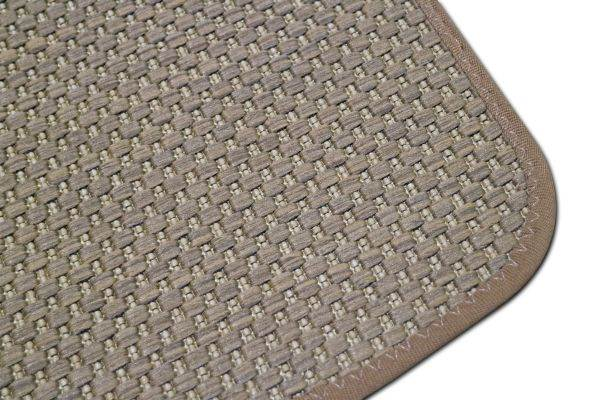
Carpet offcuts are often left behind after a flooring project, even when the material is still in excellent condition. Rather than discarding these pieces, homeowners and interior designers can turn them into finished rugs through carpet rug binding. This process involves securing the exposed edges of a carpet piece with a suitable binding material, giving it a neater appearance and helping prevent fraying.
Bound carpet rugs offer flexibility in size, shape, colour and placement. They can be made to fit an awkward corner, protect a busy walkway or provide a coordinated finish in a room where a standard-sized rug would look out of place. For households that want practical flooring without being restricted to ready-made dimensions, binding offers a useful alternative.
Carpet rug binding is a finishing technique used to cover or secure the raw edges of a piece of carpet. Cutting carpet exposes fibres and backing that can unravel or deteriorate if left untreated. Binding helps contain these edges and gives the rug a defined outline.
The process generally involves measuring and cutting the carpet to the required dimensions before applying a suitable edge finish. Depending on the material and the desired appearance, the finish may use fabric binding, cotton tape or synthetic edging.
Binding differs from simply placing an offcut on the floor. An unfinished piece may have rough edges that collect dirt, shed fibres or become damaged through repeated contact. A properly finished rug looks more deliberate and is easier to incorporate into a room’s layout.
The final result depends on the carpet’s construction, the binding material and the quality of the workmanship. Selecting compatible materials is particularly important for rugs that will receive frequent foot traffic.
Standard rugs are available in many dimensions, but they do not suit every space. A room may have an unusually narrow walkway, a long dining area or a seating arrangement that requires a specific rug size.
Carpet rug binding allows the finished piece to be measured around the room’s actual dimensions. This can be helpful in apartments, older houses and properties with distinctive layouts.
A custom rug can define the seating area without covering the entire floor. It may sit beneath the front legs of a sofa and chairs, creating a connected arrangement while leaving surrounding flooring visible.
A bound carpet piece can be placed beside a bed or beneath part of the bed frame. Homeowners can choose dimensions that provide comfortable footing without purchasing an oversized rug.
Long, narrow spaces can be difficult to furnish with standard rugs. Custom sizing allows the rug to follow the proportions of the hallway while leaving appropriate clearance around doors and furniture.
A rug can help establish a dedicated working area within a larger room. The dimensions should account for chair movement and the type of flooring underneath.
Accurate measurement is essential in each setting. A rug should fit the space without creating a trip hazard or obstructing doors.
One practical benefit of carpet rug binding is the opportunity to reuse suitable carpet offcuts. After a new carpet installation, leftover material may match the fitted flooring exactly.
A finished offcut can be placed in an adjoining room, beneath a coffee table or near a doorway. Matching materials can create a visual connection between spaces, particularly in open-plan homes.
Reuse also reduces the amount of usable material sent to landfill. Although binding does not eliminate the environmental impact of carpet production, making use of existing material can reduce the need to purchase an entirely new rug.
Not every offcut is suitable for this purpose. Carpet with damaged backing, permanent staining, uneven wear or lingering odours may not produce a satisfactory result. A flooring professional can assess whether the material is worth finishing.
The binding itself contributes to the rug’s appearance and durability. It should complement the carpet colour, construction and intended setting.
Fabric binding creates a clear border around the rug. It is available in different colours and textures, making it suitable for designs that need either a subtle edge or a contrasting outline.
A colour close to the carpet shade produces a restrained finish. A contrasting border can make the rug appear more decorative and help distinguish it from the surrounding floor.
Synthetic materials can provide a practical edge finish for rugs used regularly. Their suitability depends on the material’s quality and the conditions in which the rug will be placed.
For high-traffic locations, ask about resistance to abrasion, cleaning requirements and how the binding is attached.
Whipping uses stitching around the exposed edge to create a rounded, cord-like finish. It can provide a clean appearance without the wider border associated with some fabric bindings.
The choice between binding and whipping depends on the look desired, the carpet thickness and the intended use of the rug.
A custom rug can help organise a room visually. In open-plan interiors, it can distinguish a lounge from a dining area without requiring a physical divider.
Colour coordination is one way to achieve this effect. A rug made from a carpet that matches the main flooring can create continuity, while a contrasting edge adds definition.
Texture also matters. A bound rug can introduce softness beneath a dining table, in a reading corner or alongside a bed. It may also help balance rooms with large areas of timber, tile or other hard flooring.
The proportions should remain appropriate to the furniture. A very small rug beneath a large seating arrangement can look disconnected, while an oversized piece may make a room feel crowded. Planning the layout before ordering helps establish the right dimensions.
A bound rug must withstand the demands of its location. A piece placed beneath a dining table may encounter food spills, chair movement and frequent vacuuming. A bedroom rug may experience less traffic but still need regular cleaning.
Choose a carpet type and binding material that can be maintained using compatible methods. Some fibres tolerate particular cleaning products better than others, so generic stain removers should not be used without checking the manufacturer’s guidance.
Vacuum the rug regularly to remove grit that can wear down the fibres. Clean spills promptly by blotting rather than rubbing, and avoid soaking the backing.
Check the edges periodically for loose stitching, lifted binding or signs of wear. Early repairs may prevent a small problem from spreading along the perimeter.
For rugs placed near exterior doors, use a design suited to the amount of moisture and dirt likely to enter the property. A dedicated entrance mat may be more appropriate for collecting wet soil before it reaches a carpeted area.
A bound rug can move if it is placed on a smooth surface without suitable support. This creates a potential slipping or tripping hazard, especially in hallways and around frequently used doorways.
A compatible non-slip rug underlay can help keep the rug in position. The underlay should be suitable for the floor finish and should not leave marks or residue.
Make sure the rug lies flat and that the edges do not curl upwards. Doors should open freely without catching the binding. Avoid placing rugs where they interfere with stairs, narrow access routes or mobility equipment.
Regular checks are useful because rug underlay can shift over time, particularly in areas with frequent foot traffic.
Carpet rug binding is useful in residential and commercial settings. Homeowners may use it to finish leftover carpet, create a coordinated bedroom rug or fit flooring around a particular furniture arrangement.
Offices, reception areas and selected retail spaces may benefit from custom-sized carpet pieces that define individual zones. However, commercial applications need careful consideration of foot traffic, cleaning schedules, accessibility and fire-safety requirements applicable to the premises.
For larger projects, discuss the expected use with the flooring supplier before selecting a material. A rug intended for a quiet guest room has different requirements from one placed in a busy workplace.
Start by measuring the intended area and confirming the rug’s final dimensions. Allow enough space around doors, furniture and walkways. Next, assess the carpet’s condition and discuss the most suitable edge finish.
Ask for a quote that identifies cutting, binding or whipping, delivery and any additional preparation charges. If the rug will sit on timber, laminate or tile, ask whether a suitable underlay is recommended.
It is also sensible to confirm how the finished rug should be cleaned and whether the binding has any special care requirements.
Carpet rug binding provides a straightforward way to create flooring pieces that fit specific rooms and design preferences. It can make use of suitable leftover carpet, offer more control over dimensions and help coordinate flooring across different areas.
The best results come from choosing sound carpet, selecting compatible edging and ensuring the finished rug is safe for its intended location. With these details addressed, a custom-bound rug can serve a practical purpose while contributing to the room’s overall appearance.