Newsletter Subscribe
Enter your email address below and subscribe to our newsletter

 ByJohn A
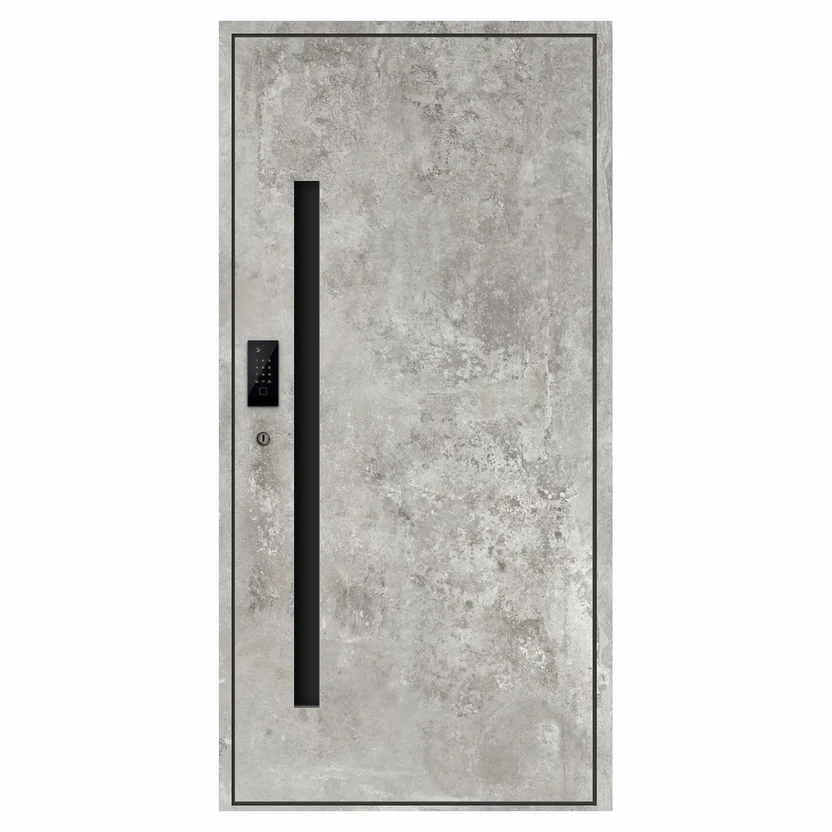
An exterior aluminum door must cope with daily use while remaining exposed to changing weather conditions. Rain, dust, sunlight, temperature fluctuations, and airborne pollutants can gradually affect its finish and moving parts. Although aluminum is durable and does not rot like timber, regular care is still necessary to preserve its appearance, operation, and weather resistance.
A practical maintenance routine for an exterior aluminum door does not require specialised equipment or extensive work. Simple inspections and appropriate cleaning can help identify small problems before they affect the door’s performance. The exact requirements depend on the door’s finish, location, hardware, and manufacturer recommendations.
Dirt can collect around the edges of an exterior aluminum door, particularly near the threshold, hinges, and lower frame. If left in place, this residue may become difficult to remove and can affect the appearance of the finish.
For routine cleaning, use a soft cloth or sponge, clean water, and a mild, non-abrasive detergent. Wipe the frame gently, paying attention to corners and areas where dust accumulates. Rinse away any remaining soap and dry the surface with a clean cloth.
Avoid steel wool, abrasive scouring pads, strong solvents, and harsh acidic or alkaline cleaners unless the manufacturer specifically approves them. These products may damage powder coatings, painted finishes, or protective treatments.
Cleaning frequency should reflect the environment. A sheltered doorway in a low-pollution area may need less frequent attention than an entrance exposed to road dust, industrial residue, or coastal salt.
Salt deposits can accumulate on aluminum doors near the sea. Although aluminum forms a natural protective oxide layer, salt and other contaminants may contribute to corrosion or coating deterioration under certain conditions.
Homes near the coast should have their exterior doors inspected and cleaned more frequently, following the manufacturer’s guidance. Rinse away salt residue using fresh water and check corners, joints, fasteners, and drainage areas for signs of deterioration.
Properties near busy roads or industrial locations may also collect grime that requires regular removal. The aim is to prevent contaminants from remaining on the surface for extended periods.
If corrosion, bubbling paint, or persistent discolouration appears, identify the cause before applying a repair product. Coating repairs should use a compatible system recommended for the specific finish.
Weather seals help reduce draughts and limit the entry of rainwater, dust, and insects. Over time, rubber or other sealing materials can become compressed, displaced, cracked, or brittle.
Inspect the seals around the door perimeter and check whether they sit evenly against the frame when the door closes. Look for visible gaps, loose sections, and areas where the material has lost its flexibility.
A door that suddenly allows more outside noise or air movement may have a sealing problem, although the cause could also involve alignment or installation.
Replace damaged seals with compatible components rather than choosing a substitute based only on appearance. Incorrect thickness or material can prevent the door from closing properly. If the door is under warranty, contact the supplier before carrying out repairs.
Hardware receives repeated movement and pressure every time the door opens or closes. Hinges can loosen, handles may develop play, and locks can become harder to operate as components wear or move out of alignment.
During routine checks, open and close the door slowly. It should move without scraping, excessive resistance, or unusual noises. Check visible screws and fixings for looseness, but avoid overtightening them, as this can damage threads or surrounding components.
Lubrication may help certain moving parts, but the correct product depends on the hardware. Follow the manufacturer’s instructions and avoid applying oil indiscriminately to the lock cylinder, seals, or surfaces that could attract dirt.
If the key becomes difficult to turn or the latch no longer engages correctly, arrange an inspection. Forcing the handle can damage the locking mechanism and make a relatively minor repair more expensive.
The threshold is exposed to foot traffic, dirt, water, and repeated contact with footwear. Grit caught beneath the door can scratch surfaces or interfere with smooth operation.
Vacuum or brush the threshold and any accessible tracks regularly. Use a soft brush to remove debris from corners and drainage openings. Never block designed drainage channels with sealant, paint, or household debris.
Water should drain away according to the door system’s design. If water repeatedly collects near the entrance, check whether the issue involves blocked drainage, damaged weather seals, incorrect installation, or the surrounding paving.
Persistent water entry deserves prompt investigation. Simply adding sealant to visible gaps may conceal the underlying issue and interfere with intended drainage.
Powder-coated and painted aluminum finishes are designed to withstand normal outdoor exposure, but sharp objects and abrasive cleaning tools can still cause damage.
Take care when moving furniture, gardening equipment, bicycles, or building materials through the doorway. Avoid leaning heavy objects against the frame, and use suitable protection during nearby decorating or renovation work.
Small marks should be assessed according to the finish manufacturer’s repair guidance. Touch-up products must be compatible with the original coating and suitable for exterior exposure. Improvised paint or an unsuitable solvent can leave a more visible patch than the original damage.
Inspect the lower sections of the door periodically because these areas are more likely to receive impacts from shoes, tools, and carried items.
A door that rubs against the frame, leaves uneven gaps, or requires extra force to latch may have developed an alignment problem. Changes can result from loose hardware, wear, building movement, or installation issues.
Check the gaps around the closed door and observe whether the latch meets the strike plate correctly. Do not attempt major adjustments without understanding the door’s hinge and locking system.
If the frame appears distorted or the door has dropped noticeably, contact a qualified installer. Repeatedly forcing the door shut can place extra strain on hinges, handles, and locking points.
Prompt adjustment helps maintain normal operation and may prevent further hardware damage.
Some aluminum exterior doors include large glazed panels or decorative inserts. Check the glass for cracks, chips, damaged edges, or signs that the surrounding seals have deteriorated.
Even minor glass damage may require professional assessment, especially in doors exposed to frequent use or impact. Safety glazing requirements vary by location and application, so replacement glass should meet the relevant specifications.
Do not attempt to remove or refit large glazed panels without suitable equipment and experience. Incorrect handling can cause injury or compromise the door’s weather resistance.
A practical schedule makes it easier to keep the door in good condition.
These intervals are starting points rather than fixed rules. Follow the manufacturer’s maintenance instructions if they specify a different schedule.
Exterior aluminum doors can provide years of reliable service, but their longevity depends on more than the frame material. Clean surfaces, functioning seals, correctly adjusted hardware, and effective drainage all contribute to dependable operation.
Keep records of maintenance and retain the original product documentation. This makes it easier to identify compatible replacement parts and understand warranty conditions.
A few minutes of inspection can reveal problems while they are still manageable. Addressing those issues early helps maintain the door’s appearance, security, and resistance to outdoor conditions over the long term.