Newsletter Subscribe
Enter your email address below and subscribe to our newsletter

 ByJohn A
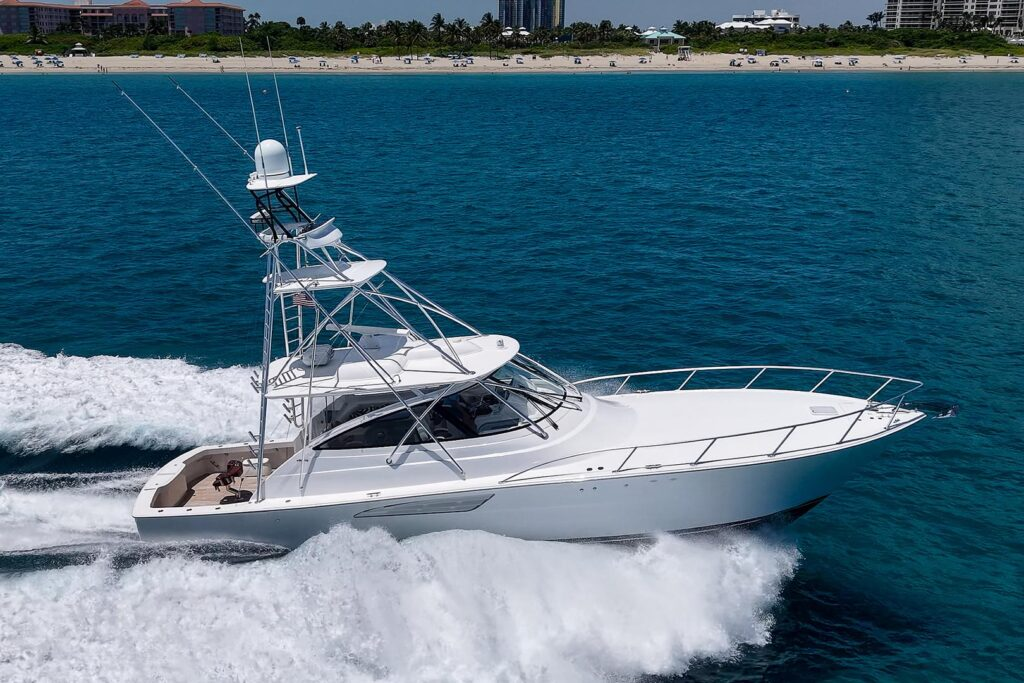
A large center console boat offers a combination of speed, open deck space, offshore capability, and comfort that appeals to experienced boaters. The Sparks 46 center console belongs to a category of vessels designed for owners who want more than a basic fishing platform. A boat of this size can support serious offshore fishing, extended coastal trips, entertaining guests, and long days on the water, provided its layout and equipment suit the owner’s plans.
Buyers researching a Sparks 46 center console for sale should examine its performance characteristics, construction, onboard amenities, and maintenance history before making a decision. The right purchase depends on how the boat will be used, the conditions it will encounter, and the level of care required to keep it operating reliably.
A 46-foot center console provides considerably more room than smaller recreational fishing boats. Its size allows designers to create wider passageways, larger fishing areas, additional seating, and more substantial storage compartments without sacrificing the practical layout associated with center console vessels. For buyers seeking a spacious and capable vessel, exploring a Sparks 46 center console for sale can be a great starting point when comparing onboard comfort, fishing functionality, and offshore performance.
The central helm arrangement gives the captain good visibility around the boat. Crew members can move along both sides of the console, making it easier to reach fishing positions, handle dock lines, and assist with anchoring. This configuration also allows several people to fish simultaneously without crowding a single section of the deck.
A vessel in this class may include a spacious bow lounge, aft seating, a large transom area, and a well-equipped helm. Depending on the particular boat and its specifications, buyers may also find a cabin, enclosed head, refrigeration, freshwater systems, and other features suited to longer trips.
The precise layout matters more than the overall length alone. Two boats of similar size can have very different arrangements, so prospective owners should inspect the actual vessel rather than assume every model includes the same amenities.
Offshore boating places demands on a vessel that are different from those encountered during sheltered-water cruising. Wind, changing wave patterns, long distances, and varying loads all affect how a boat behaves. A large center console needs an appropriate hull design, adequate power, and properly configured systems to perform well in these conditions.
The hull influences how a boat responds to waves, turns, and changes in speed. Deep-V designs are common among offshore center consoles because their geometry helps them cut through waves and manage rougher water. However, ride quality also depends on hull proportions, weight distribution, loading, sea conditions, and the captain’s operating decisions.
During a sea trial, buyers should pay attention to how the vessel accelerates, tracks through turns, responds to changing throttle settings, and handles the conditions encountered during the test. A calm-water demonstration alone cannot establish how a boat will perform in every offshore situation.
A 46-foot center console requires an engine configuration suited to its displacement, intended load, and operating profile. Multiple outboard engines may provide substantial power and redundancy, but they also increase fuel consumption and maintenance requirements.
Buyers should verify the exact engines fitted to the boat, their rated output, service records, operating hours, and manufacturer maintenance requirements. Engine hours offer useful context, although they do not tell the full story. A well-maintained engine with higher hours may be a better prospect than a poorly serviced engine with fewer recorded hours.
Fuel capacity and consumption deserve close attention. Offshore trips require enough fuel for the planned route, changing conditions, and a prudent reserve. Ask for fuel-burn figures at several cruising speeds instead of relying solely on maximum speed claims. Cruising economically may be more valuable than achieving a high top speed that is rarely used.
Luxury on a large center console should make time aboard more comfortable without interfering with its practical purpose. Seating, shade, refrigeration, climate control, and cabin facilities can make a substantial difference during extended outings.
The helm should provide a clear view, comfortable seating, and convenient access to engine controls. Modern navigation packages may include multifunction displays, GPS chartplotters, radar, depth sounders, autopilot, and integrated engine information.
The usefulness of this equipment depends on its condition, configuration, and compatibility. Buyers should test each display and system, confirm that software and charts are appropriate, and identify any outdated components that may need replacement.
Well-positioned seating allows passengers to remain comfortable while the boat is underway or anchored. A hardtop or other suitable shade arrangement can help reduce exposure to strong sun, while an outdoor galley or refrigeration system can simplify meals during longer trips.
Inspect upholstery for cracking, fading, and damaged stitching. Check hinges, latches, drains, and storage compartments for corrosion or water intrusion. Small defects can reveal how consistently the boat has been maintained.
A luxury center console can still be a serious fishing boat. Depending on its configuration, it may include rod holders, livewells, insulated fish boxes, tackle storage, outriggers, and a suitable transom arrangement.
Buyers who intend to fish offshore should evaluate the location of these features in relation to the helm, passenger seating, and available deck space. Equipment that looks impressive in photographs may prove inconvenient during actual fishing.
A careful inspection reduces the risk of expensive surprises after purchase. Start by confirming the boat’s identity, ownership documentation, registration details, and any recorded liens or other encumbrances that must be resolved before transfer.
A qualified marine surveyor should inspect the hull, deck, structural components, steering, electrical systems, plumbing, and onboard safety equipment. Depending on the vessel’s construction, additional testing may be appropriate to investigate moisture intrusion or structural concerns.
Engine and transmission-related systems, where applicable, should receive separate attention from a qualified marine technician. The inspection should cover service history, cooling systems, corrosion, fuel systems, electronic controls, and any warning indications. A sea trial should follow the appropriate inspections and safety checks.
Buyers should also review the vessel’s electronics, batteries, charging equipment, bilge pumps, navigation lights, and emergency equipment. Confirm that required safety gear is present, serviceable, and appropriate for the intended operating area.
The purchase price is only part of the ownership cost. Insurance, dockage, fuel, routine servicing, haul-outs, cleaning, and repairs should all be included in the budget. Obtain insurance quotations before committing to a purchase, especially if the vessel’s size, power, or intended cruising area affects coverage requirements.
The best candidate is a boat whose condition and equipment match its asking price and intended use. Compare available vessels using consistent criteria: engine condition, maintenance records, electronics, upholstery, hull condition, service history, and the extent of any recent upgrades.
Ask the seller which systems have been repaired or replaced, whether the boat has sustained damage, and how it has been stored. Request invoices and supporting records for significant maintenance work. Clear documentation makes it easier to distinguish genuine improvements from cosmetic changes.
Buyers should also verify the exact model designation and specifications with the seller or manufacturer where possible. Model names, equipment packages, and vessel descriptions can vary between listings, so independent confirmation is preferable to relying on an advertisement alone.
A large center console can provide the space, power, and onboard comfort needed for offshore fishing and recreational cruising. Its suitability, however, depends on the actual vessel rather than the appeal of its model name.
Anyone considering a Sparks 46 center console for sale should combine a detailed document review, professional survey, engine assessment, and sea trial before finalising the transaction. These steps help establish whether the boat offers the performance, comfort, and reliability expected from a vessel in this class.
A sound purchase begins with realistic expectations about running costs and operating conditions. Choosing a well-maintained boat with the right equipment can provide a more rewarding ownership experience than selecting a vessel based on appearance or advertised speed alone.