Newsletter Subscribe
Enter your email address below and subscribe to our newsletter

 ByJohn A
Decorating your home with flowers can bring colour, texture, and warmth to any room. From a welcoming entrance to a relaxing bedroom, a thoughtfully selected floral display can make an ordinary space feel more inviting. However, fresh flowers require regular care and replacement to maintain their appearance. Artificial flowers offer a practical alternative for people who want attractive floral decorations without the ongoing maintenance associated with fresh blooms.
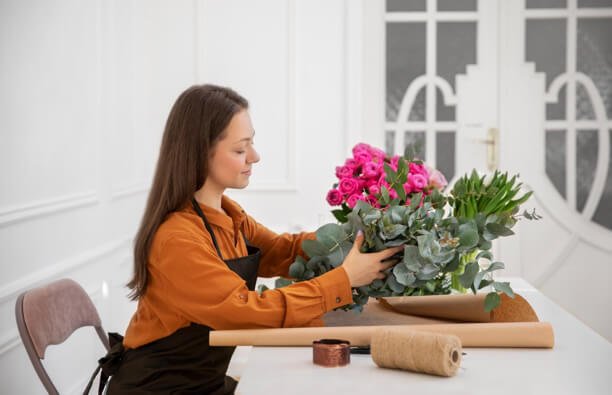
Choosing the right arrangement involves more than selecting flowers in your favourite colours. Floral arrangements artificial flowers can enhance your interior when you consider the size of the display, the shape of the vase, the room’s interior style, and the placement of the flowers. A well-chosen arrangement should complement the surrounding furniture while adding visual interest without making the space feel crowded.
Understanding these details can help you select floral decorations that suit your home, lifestyle, and personal preferences.
Before choosing flowers, think about how the room is used and the atmosphere you want to create. A floral arrangement that works well in a dining room may not be the most suitable choice for a bedroom or home office.
Living rooms often benefit from decorative displays that create a focal point. Dining areas usually require arrangements that allow people to talk comfortably across the table. Bedrooms may suit softer colours and smaller displays, while entryways can benefit from flowers that make the space feel welcoming.
Consider these suggestions when choosing flowers for different rooms:
Thinking about the purpose of each room makes it easier to select a display that is both attractive and practical.
Colour plays an important role in interior decoration. The right floral colours can connect different elements of a room, while an unsuitable combination may make the arrangement appear out of place.
Start by looking at the existing colours in your walls, furniture, curtains, cushions, and rugs. You can then choose flowers that coordinate with these elements or introduce a controlled contrast.
Neutral interiors often work well with white, cream, beige, and pale pink flowers. These shades can add detail without changing the overall appearance of the room. In a space with darker furniture, yellow, coral, or rich pink flowers can create a noticeable accent.
For a balanced look, consider the following colour combinations:
You do not need to match every flower to the room exactly. Instead, repeat one or two colours already present in the space to create a connection between the arrangement and the rest of the decor.
Different flowers create different visual effects. Some arrangements appear formal and structured, while others look relaxed and natural. Choosing a style that matches your interior helps the display feel like part of the room rather than an unrelated accessory.
Modern interiors often feature simple furniture, uncluttered surfaces, and a limited colour palette. Orchids, calla lilies, white roses, and arrangements with understated greenery can complement this style.
Choose a vase with a clean shape and a simple finish. Glass, ceramic, and matte containers can work well, depending on the room’s furniture and materials.
Traditional interiors may include detailed furniture, decorative mirrors, classic lighting, and warm colour schemes. Fuller arrangements featuring roses, peonies, hydrangeas, or similar flowers can suit these spaces.
A decorative ceramic or glass vase can help complete the look. The aim is to create an arrangement that feels balanced with the room’s existing details.
Rustic interiors often feature wooden furniture, natural textures, and earthy colours. Artificial wildflowers, muted greenery, and flowers in cream, dusty pink, or soft yellow can complement this style.
Consider textured ceramic containers or simple vases with a handmade appearance. These details can add character without making the arrangement feel overly formal.
Minimalist decorating focuses on simplicity and purposeful choices. A single stem, a small group of flowers, or an arrangement with just two complementary colours can provide enough visual interest.
Avoid filling every available surface with flowers. One carefully placed display may have a greater impact than several competing arrangements.
The size of an arrangement should suit the furniture and the room in which it will be displayed. Even beautiful flowers can look out of place when the arrangement is too large or too small for its surroundings.
For example, a broad dining table can accommodate a fuller centrepiece, while a narrow bedside table usually needs a compact display. A tall arrangement may suit an entrance console with sufficient space, but it could obstruct the view across a small coffee table.
When selecting an arrangement, consider these factors:
If you are decorating a small apartment, vertical arrangements can introduce colour without occupying too much surface space. In larger rooms, fuller displays can help fill empty areas and create a more balanced appearance.
Proportion is particularly important when placing flowers alongside lamps, mirrors, framed photographs, or other decorative items.
The vase is an important part of the overall arrangement. It supports the stems, influences the shape of the display, and contributes to the room’s decorative style.
A narrow vase can help keep long stems upright, while a wider opening allows flowers to spread naturally. Short containers often suit compact arrangements, and heavier vases may provide better stability for larger displays.
Different materials can create different effects.
Glass vases work well with simple arrangements and modern interiors. Clear glass allows the stems to remain visible and can create a light, understated appearance.
Ceramic containers are available in many shapes, colours, and finishes. They can suit traditional, rustic, contemporary, and minimalist rooms.
Metal vases can introduce a decorative accent in modern interiors. Choose a finish that complements other details in the room, such as lighting fixtures or furniture handles.
Woven or textured containers can add visual interest to relaxed interiors. They work particularly well with greenery, wildflower styles, and earthy colour schemes.
When arranging artificial flowers, you can also use floral foam or another suitable support to keep the stems in position. Make sure the vase is stable and the flowers are arranged securely.
A dining table is a natural place for a floral display because it is often used for family meals, celebrations, and entertaining guests. The right centrepiece can make the area feel more complete without requiring additional decorations.
For a rectangular table, a long arrangement or a collection of smaller vases can create a balanced effect. For a round table, a compact display positioned in the centre may be more suitable.
Consider flowers in colours that complement your dining chairs, table linens, or surrounding furniture. White roses and green foliage can create a simple appearance, while brighter flowers can add interest to a neutral dining area.
Keep these practical tips in mind:
If you frequently change your dining table decorations for special occasions, artificial flowers allow you to reuse the same arrangement and adjust the surrounding accessories.
Small rooms and narrow hallways can benefit from carefully placed flowers, but the arrangement needs to be proportionate to the available space.
A compact vase on a shelf, a small arrangement on a console table, or a single stem beside a mirror can introduce colour without taking up too much room. In narrow areas, avoid displays that extend into walkways or interfere with doors.
Vertical arrangements can be especially useful because they draw attention upwards while occupying a relatively small footprint.
You can also use flowers to make neglected areas feel more intentional. An empty corner shelf, a small entryway table, or a simple bathroom counter may benefit from a subtle floral accent.
For the best result, keep the surrounding area relatively uncluttered. When space is limited, a single well selected arrangement can look more effective than several small decorations placed close together.
The appearance and quality of artificial flowers can vary considerably. Some designs have detailed petals, natural looking colour variations, and flexible stems, while others may appear overly shiny or uniform.
When selecting flowers, look closely at the petals, leaves, stems, and overall construction. Realistic details can help the arrangement blend more naturally with your interior decor.
Consider the following points:
The arrangement also benefits from natural spacing. Flowers should not always sit at exactly the same height or face in the same direction. Small differences in placement can create a more relaxed appearance.
Quality is not determined by price alone, so inspect the construction and finish before making a decision.
Seasonal decorating allows you to change the appearance of your home throughout the year. Artificial flowers make this process convenient because arrangements can be stored and reused when needed.
During spring, soft pink, yellow, and white flowers can introduce a fresh appearance. Summer may suit brighter colours such as coral, orange, and vibrant pink. Autumn decorations can include burgundy, rust, cream, and warm brown shades, while winter displays may feature white flowers, deep red accents, and evergreen foliage.
You can update your decor without replacing every arrangement. Changing a vase, adding decorative greenery, or moving flowers to a different room may be enough to create a new look.
Store arrangements carefully when they are not in use. A clean storage box can protect delicate petals and help prevent dust from accumulating between seasons.
Seasonal changes also provide an opportunity to experiment with colours that you may not normally use in your everyday decor.
Although artificial flowers do not require watering or pruning, regular cleaning helps them retain their decorative appeal. Dust can accumulate on petals, leaves, and stems, particularly in rooms near open windows or busy household areas.
Use a soft brush or microfiber cloth to remove loose dust. For flowers made from washable materials, a lightly damp cloth may be suitable, but always check the manufacturer’s instructions before using water.
Keep the following maintenance practices in mind:
If a flower becomes bent or misshapen, gently adjust the stem when the material allows it. Handle delicate petals carefully to prevent tearing or loss of shape.
Proper maintenance can help your arrangements remain attractive and suitable for repeated use.
Consider the room’s size, colour scheme, furniture, and decorating style. Choose an arrangement that complements the space without obstructing everyday activities or making surfaces feel crowded.
Roses, peonies, hydrangeas, orchids, and arrangements featuring greenery can work well in living rooms. The best option depends on your preferred style, available space, and existing decor.
Yes. Combining different flowers can create depth and visual interest. Choose blooms with complementary colours and vary their heights and shapes to achieve a balanced appearance.
Choose realistic petals and leaves, arrange stems at slightly different heights, and avoid overcrowding the vase. A suitable container and occasional dusting can also improve the overall appearance.
Clean them whenever dust becomes noticeable. In areas with more dust, such as rooms near open windows, you may need to clean the arrangements more frequently.
Yes. Compact arrangements, single stems, and narrow vases can add colour without using too much space. Shelves, bedside tables, and small console tables are practical locations.
Choosing the right floral decorations involves balancing appearance, practicality, and personal style. By considering room function, colour coordination, size, vase design, and flower quality, you can select arrangements that complement your home and create a welcoming atmosphere.
Floral arrangements with artificial flowers provide flexibility for homeowners who want to refresh their interiors without regularly replacing fresh blooms. With suitable placement and occasional maintenance, they can remain a useful decorative feature throughout the year.
Start with one room or one carefully selected arrangement, then build on the look as you discover which colours and styles work best for your home.