Newsletter Subscribe
Enter your email address below and subscribe to our newsletter

 ByJohn A
Engineering workshops rarely throw parts away the moment they come out of service. Worn motors, spare shafts and lengths of cable get set aside in case they prove useful, and most never do. The pile grows until it blocks a bench or a racking bay. Arranging scrap metal for pick up on a regular basis keeps that build-up under control.
The hidden cost sits in space and time. Every redundant gearbox occupies room that could hold stock or tooling, and staff waste minutes working around it every day. Some of those parts could go back into service, while the rest belong with a recycler. Preparing scrap metal for pick up after a quick assessment separates the two and clears the workshop properly.
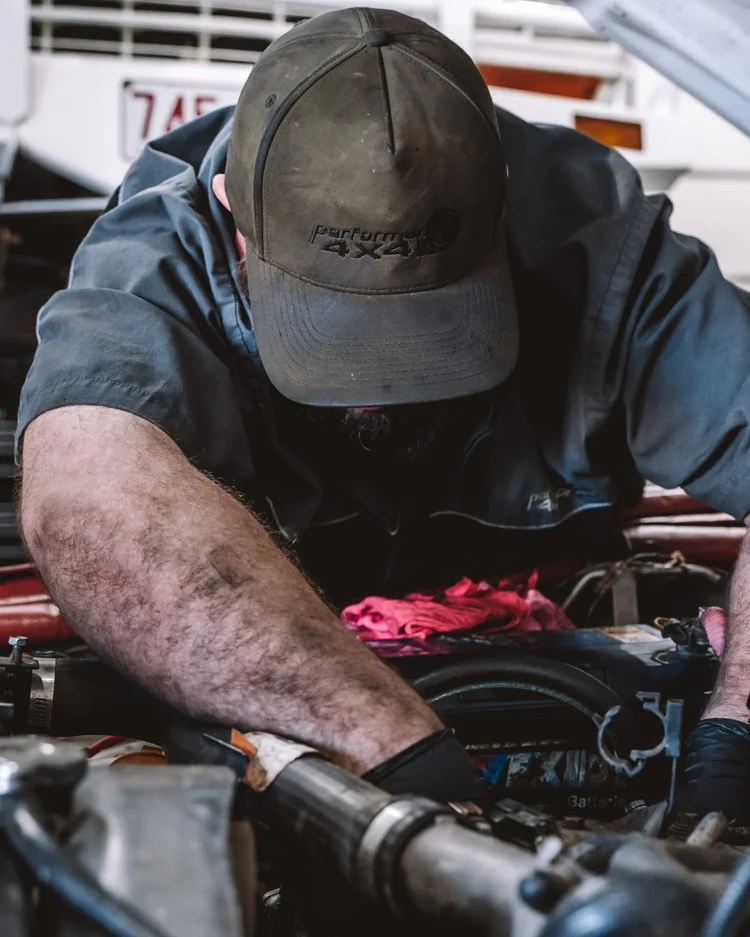
Workshop Repairs Leave Worn Mechanical Parts: Engineering workshops generate redundant metal mainly through repairs and component replacement. Worn shafts, gear sets, pump casings and electric motors come off jobs regularly. Most are steel or cast iron, though motors contain copper windings and some housings are aluminium, so a single bench can produce several metal categories at once.
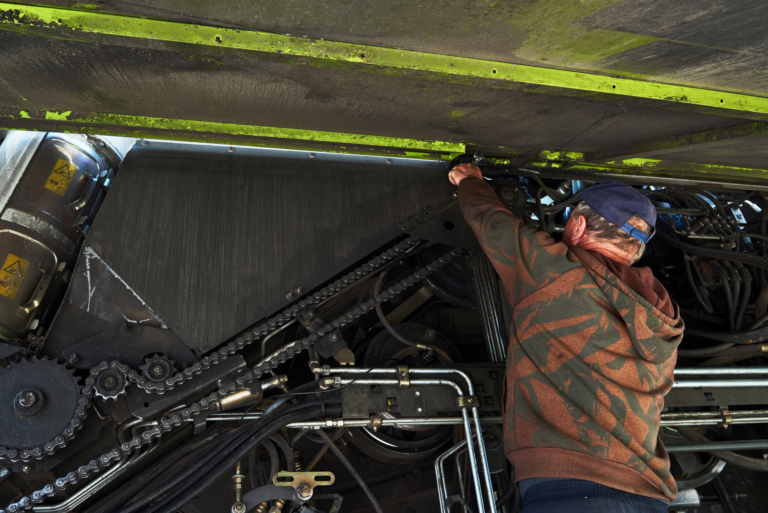
Maintenance Teams Remove Cable, Pipe and Fixtures: Industrial maintenance teams produce a different mix of scrap, built around services instead of machines. Old power and control cable, copper and steel pipe, cable tray, brackets and redundant switchgear come out during shutdowns and upgrades. These items arrive in bursts rather than steady flows, which makes storage harder to plan than in a repair workshop.
Stored Parts Lose Their Reuse Window: Redundant components kept too long can lose any chance of reuse, because corrosion, missing parts and outdated specifications make them harder to put back into service. In everyday engineering practice, maintenance planners regularly uncover stored motors and gearboxes that were once worth refurbishing but now only suit recycling. Meanwhile, the floor space stayed tied up for months.
A Quick Assessment Shows What Can Return to Service: Assessing components before collection helps a business decide which parts can be reused or refurbished, and which belong with a recycler. Shafts and housings with cracking, heavy wear or signs of metal fatigue rarely justify another life in service. Sound spares that match current equipment may be worth keeping, provided someone records where they are stored.
Grouping Metals Helps Recyclers Assess Each Load: Grouping redundant parts by broad metal type makes each load easier for a recycler to identify and assess. Steel and cast iron can sit together, while copper cable, brass valves and aluminium housings are simpler to handle apart. Mixed loads are still accepted. The difference is mainly speed and clarity when each item is checked.
Booked Collection Handles Heavy, Mixed Engineering Scrap: For engineering businesses with heavy or mixed scrap, a booked commercial collection is usually more practical than general skips or staff van runs. Skips fill quickly with bulky motors and send recoverable metal to landfill. Van runs suit light loads but struggle with cast components. Scheduling scrap metal for pick up matches the vehicle and lifting gear to the load.
Weighing Convenience against Record-Keeping: Each disposal route for redundant components trades convenience against control. Skips are easy to arrange but give no visibility over what leaves the site. Van runs keep things in-house at the cost of staff time and vehicle wear. Treating scrap removal as part of reverse logistics, with planned collections and records, gives managers clearer oversight across the year.
Heavy Components Need Lifting Planned in Advance: Heavy engineering components such as motors, gearboxes and cast machine parts need suitable lifting equipment and vehicle access planned before collection day. A forklift may handle most items, while larger pieces could require a crane truck. Narrow lanes, low doorways and shared driveways all restrict what can reach the workshop, so access details should be shared early.
Limited Storage Calls for Bins Matched to Each Metal: Workshops with limited storage space need containers sized and placed to suit each metal category. A scrap metal bin works for heavy steel and cast iron, and bulka bags take up less room for copper cable or aluminium parts. Planning scrap metal for pick up around those containers keeps each category apart and stops overflow onto the floor.
Commercial scrap collection services help engineering businesses coordinate removal by supplying suitable bins or bulka bags and arranging transport, with eligible metals recycled once loads reach the recycling site. Booking scrap metal for pick up becomes the obvious next step when a few familiar signs appear around the workshop or maintenance store.
See Also: What 3D Dental Scans Reveal Before Implant Surgery in Tysons Corner
Clearing redundant components on a planned basis gives engineering businesses back their floor space, keeps reusable spares easy to find and sends the rest to recycling. Holding on to old parts only widens the gap between what is stored and what is useful. Get in touch with a commercial scrap recycler to book a site assessment and plan your next collection.