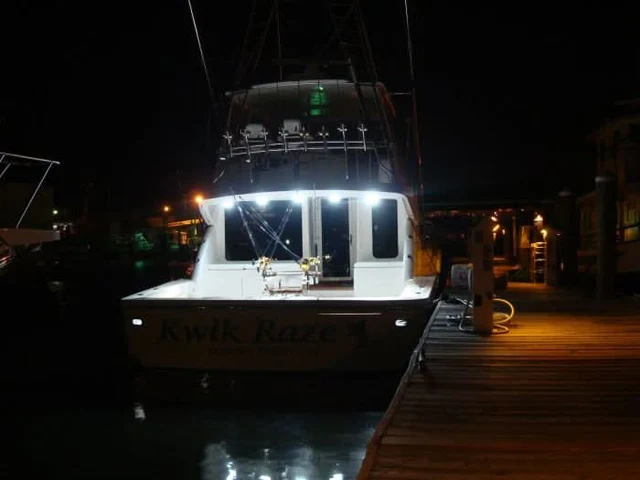

Marine lights operate in conditions that can gradually damage equipment designed for ordinary outdoor use. Saltwater spray, humidity, sunlight, vibration, and changing temperatures place pressure on housings, seals, cables, and electrical connections. Regular maintenance helps identify problems early and keeps lighting systems working as intended.
Waterproof marine lights are used on boats, docks, piers, and underwater structures. Their maintenance requirements depend on their construction and intended application. A fixture designed for occasional splashing needs different care from one approved for continuous underwater use.
A consistent inspection routine can reduce unexpected failures, preserve light output, and help owners plan repairs before damaged components create more serious problems.
Check the Water Protection Rating First
An ingress protection rating, commonly called an IP rating, provides information about a fixture’s resistance to solid particles and water under defined testing conditions. The first digit indicates protection against solids, while the second relates to water exposure.
For example, an IP67 rating indicates dust protection and testing for temporary immersion under specified conditions. It does not automatically mean that a fixture is suitable for every underwater application or prolonged submersion at any depth.
Before carrying out maintenance, check the manufacturer’s documentation to establish whether the light is intended for above-water use, splash zones, or continuous immersion. The specified operating depth, mounting method, and maintenance instructions should guide all servicing decisions.
A fixture’s original rating may no longer reflect its actual condition if its housing is cracked, its seals have deteriorated, or its cables have been damaged. Waterproof performance depends on the integrity of the entire assembly.
Remove Salt Deposits and Surface Contamination
Salt can accumulate on exposed marine lights, particularly in coastal areas where spray regularly reaches the dock or boat. Dirt, algae, and mineral deposits can also collect on lenses and housings.
Regular cleaning helps maintain appearance and prevents deposits from obscuring the light source. Rinse accessible surfaces with fresh water where the manufacturer permits it, then use a soft cloth to remove remaining dirt. Avoid abrasive pads, harsh solvents, and high-pressure washing unless specifically approved for the product.
Pay attention to the areas around brackets, fasteners, and cable entries. These locations can collect debris and may reveal early signs of corrosion during cleaning.
Underwater lights often need additional attention because marine growth can reduce their effective output. Use approved cleaning methods and avoid scraping lenses with metal tools. Aggressive cleaning can damage protective coatings and compromise the housing.
Cleaning frequency should reflect the environment. Fixtures exposed to heavy salt spray may need more frequent care than lights installed in sheltered freshwater locations.
Inspect Seals, Lenses, and Housings
The housing and seals prevent water from reaching electrical components. Inspect them for cracks, loose sections, impact damage, corrosion, and other visible defects.
Rubber gaskets can deteriorate through age, temperature changes, compression, and chemical exposure. If a fixture must be opened for authorised servicing, inspect the gasket and replace it when required by the manufacturer.
Lenses should also be checked for scratches, cloudiness, yellowing, and cracks. A damaged lens can reduce light output even when the LEDs continue to operate.
Persistent moisture inside a sealed fixture may indicate a damaged seal or another failure. Follow the manufacturer’s instructions rather than opening the housing without the correct tools and replacement components.
If a fixture’s protective enclosure is compromised, replacing the damaged component or complete unit may be safer than using an improvised repair. Sealants and adhesives should only be used where the manufacturer approves them.
Keep Electrical Connections in Good Condition
Marine electrical connections are exposed to moisture, vibration, and corrosion. Problems can develop at terminals, connectors, cable splices, and entry points, causing flickering, reduced output, or complete failure.
Inspect accessible wiring for damaged insulation, loose connections, discolouration, and signs of overheating. Cables should be supported securely and kept away from sharp edges, hot surfaces, and moving equipment.
Use connectors and cable glands approved for the specific marine environment. Components designed for indoor installations may not provide adequate protection against prolonged moisture or salt exposure.
Always isolate the relevant power supply before servicing wired fixtures. Follow the manufacturer’s safety procedure and applicable electrical regulations. Work involving underwater equipment or electrical installations near water may require a qualified marine electrician.
Avoid applying grease, sealant, or corrosion inhibitors without checking compatibility. Some products can damage plastic housings or interfere with connector seals.
Monitor Brightness and Power Consumption
A light that still switches on may not be operating at its intended output. Dimming, flickering, delayed activation, or inconsistent performance can indicate a problem with the power supply, driver, battery, or wiring.
Test the lights during routine inspections and compare their performance with normal operation. If one fixture appears noticeably weaker than similar units, investigate the cause instead of immediately replacing the light source.
Solar-powered fixtures need additional checks. Keep their panels clean and free from shading, inspect for physical damage, and monitor how long they remain illuminated after sunset. Reduced operating time can indicate battery deterioration or inadequate charging.
For wired LED systems, a qualified technician can check for voltage drops, failing drivers, or damaged connections. Replacing individual components without identifying the underlying fault may lead to repeated expenses.
Keep a simple record of maintenance dates, repairs, and replacement parts. This is particularly useful for marina operators responsible for many fixtures across several docks.
Establish a Practical Inspection Schedule
The ideal maintenance interval depends on the fixture, location, and manufacturer’s instructions. Exposed coastal installations may need more frequent attention than sheltered freshwater docks.
A general maintenance routine can include:
- Monthly: Inspect visible fixtures for dirt, damage, loose hardware, and changes in brightness.
- After severe weather: Check accessible fittings, mounting points, and housings for impact damage or movement.
- Seasonally: Clean surfaces thoroughly and inspect accessible cables, connectors, and mounting hardware.
- During scheduled servicing: Arrange detailed checks of seals, electrical components, batteries, and underwater mounting arrangements where applicable.
These intervals are general guidance, not fixed requirements for every product. Some installations may require more frequent inspections based on exposure or operating hours.
Store and Replace Marine Lights Properly
Some removable boat lights are taken out of service during winter storage, maintenance periods, or refitting. Clean these fixtures and prepare them for storage according to the manufacturer’s instructions.
Battery-powered models may have specific requirements for charging level, storage temperature, and disconnection. Following these instructions can help prevent premature battery deterioration.
Replacement fixtures should match the original system’s voltage, current requirements, mounting dimensions, connector type, and water protection rating. A product that looks similar may not be suitable for the same installation.
Avoid modifying sealed fixtures or combining incompatible electrical components. Such changes can compromise waterproofing and affect warranty coverage.
Preserve Reliability Through Regular Care
Waterproof marine lights can provide dependable service when their equipment ratings, installation methods, and maintenance routines suit the environment. Cleaning, inspecting seals, protecting connections, and investigating changes in light output all help reduce avoidable failures.
For boat owners and marina managers, planned maintenance is generally easier to manage than emergency repairs after a light stops working. Understanding the manufacturer’s requirements also helps determine when a fixture can be serviced and when replacement is the safer option.