Newsletter Subscribe
Enter your email address below and subscribe to our newsletter

 ByJohn A
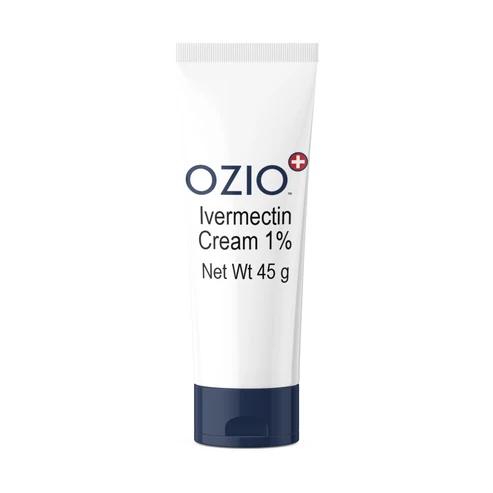
Skin redness, persistent facial bumps, and irritation can affect both physical comfort and confidence. For people diagnosed with inflammatory skin conditions such as rosacea, treatment may involve prescription creams that help reduce symptoms over time. Ivermectin 1% cream is one option healthcare professionals may prescribe for certain forms of rosacea.
The cream contains ivermectin, an active ingredient with anti-inflammatory effects and activity against certain microscopic parasites. Its use in dermatology differs from oral ivermectin treatment, which has separate indications, dosing requirements, and safety considerations. Understanding how the cream works, how it should be applied, and what results to expect can help patients follow their treatment plans more confidently.
Ivermectin 1 cream is a topical medication applied directly to the skin. In countries where it is approved for this purpose, it is commonly prescribed for inflammatory lesions associated with rosacea, a chronic skin condition that often affects the central face.
Rosacea may cause persistent redness, visible blood vessels, and small red bumps or pus-filled spots. Its symptoms can resemble acne, although the two conditions are different. Some patients experience burning, stinging, or increased sensitivity to skincare products.
Ivermectin cream is generally intended for the inflammatory bumps associated with rosacea rather than every symptom of the condition. It may not adequately address persistent facial redness or visible blood vessels on its own.
The strength, approved indications, and prescribing information may vary by country and product. Patients should check the label supplied with their medication and follow the instructions provided by their prescriber.
Ivermectin has antiparasitic properties and can affect certain organisms that live on or near the skin. Microscopic Demodex mites are associated with rosacea in some patients, although their precise role in the condition is complex.
Researchers also recognize that ivermectin has anti-inflammatory activity. This may help reduce the inflammatory bumps and pustules that occur in papulopustular rosacea.
The improvement does not necessarily happen immediately. Inflammatory skin conditions can take several weeks to respond to treatment, and individual results vary. Some patients notice gradual changes in the number of bumps, while others may need their treatment reviewed because the response is limited.
Rosacea has multiple contributing factors, including skin-barrier sensitivity, inflammatory responses, environmental triggers, and genetic influences. A single cream cannot address every factor in every patient.
One of the main treatment goals is to reduce red bumps and pustules. Ivermectin 1% cream may help control these lesions when used as prescribed for an appropriate rosacea diagnosis.
Fewer inflammatory lesions can make the skin feel more comfortable and may reduce the temptation to squeeze or pick at affected areas.
As inflammation settles, the skin may look clearer and less irritated. The degree of improvement depends on the severity of the condition, consistency of application, and individual response.
Patients should avoid judging the treatment after only a few applications. Their prescriber can help determine whether the response is appropriate over the recommended treatment period.
Because the cream is applied to the affected skin, it delivers medication locally rather than requiring an oral dose. This makes it a different treatment option from oral ivermectin, which is used for specific conditions under separate prescribing guidance.
Topical application does not eliminate the possibility of side effects or absorption. The cream must still be used according to its product instructions.
Rosacea can fluctuate over time, with periods of improvement and renewed inflammation. Some patients may benefit from continued treatment under medical supervision, depending on the product instructions and their response.
The appropriate duration should be determined by the prescriber rather than extended independently.
Correct application helps patients use the medication as intended and reduces unnecessary irritation.
Step 1: Clean the skin gently. Wash the face with a mild cleanser and lukewarm water. Avoid abrasive scrubs, strong exfoliants, or products that cause stinging.
Step 2: Dry the skin. Pat the face dry with a clean towel. Avoid rubbing inflamed areas.
Step 3: Apply the prescribed amount. Follow the product leaflet and your clinician’s directions. Some approved ivermectin 1% creams are used once daily on affected facial areas. Do not assume the same schedule applies to every formulation or country.
Step 4: Keep the product away from sensitive areas. Avoid the eyes, lips, and inside of the nose or mouth unless the product instructions specifically state otherwise. Wash your hands after application.
Step 5: Follow your regular skincare plan. Use gentle moisturizers and sun protection as advised. Introduce other active skincare ingredients cautiously if your skin is sensitive.
Do not apply extra cream to compensate for a missed dose, and do not use it more frequently than directed.
Ivermectin 1% cream is generally tolerated by many patients, but unwanted reactions can occur. Reported effects may include burning, irritation, itching, dryness, or redness at the application site. Some people experience a worsening of their skin symptoms during treatment.
Stop using the product and seek medical advice if significant irritation develops. Swelling, blistering, or a severe rash requires prompt assessment. Symptoms of a serious allergic reaction, such as difficulty breathing or swelling of the throat, require emergency care.
Patients should tell their healthcare professional about other medicines and skincare products they use. Anyone who is pregnant, planning pregnancy, or breastfeeding should discuss treatment with a clinician because product-specific safety information matters.
The cream should not be shared with other people or used to treat an undiagnosed rash. Skin conditions can look similar while requiring different treatments.
Improvement is usually gradual rather than immediate. Clinical studies of approved ivermectin 1% cream for rosacea have assessed outcomes over several weeks, with many patients experiencing a reduction in inflammatory lesions.
Results differ according to the condition being treated and the patient’s response. A person may see fewer bumps but continue to experience redness, flushing, or sensitivity. These symptoms may need additional management.
Take note of changes in the skin and any unwanted reactions. If the treatment does not help within the period specified by the prescriber, arrange a review instead of increasing the amount or frequency.
People with rosacea often benefit from a simple routine. Gentle cleansing, a non-irritating moisturizer, and broad-spectrum sunscreen can help protect sensitive skin. Heat, sunlight, spicy foods, alcohol, or certain skincare ingredients may trigger symptoms in some individuals, although triggers vary.
Keeping a brief record of flare-ups can help identify personal patterns. Avoid adding several new products at once, since doing so makes it harder to identify the cause of irritation.
A dermatologist may recommend another treatment if ivermectin cream does not adequately control the condition. The choice depends on symptoms, medical history, previous treatments, and local prescribing guidance.
Ivermectin 1% cream can be a useful prescription option for patients with suitable forms of inflammatory rosacea. Its effectiveness depends on an accurate diagnosis, correct application, and appropriate follow-up. Gentle skincare and realistic expectations also help patients manage a condition that may change over time.
Patients should use the cream only for its prescribed purpose and seek professional advice if symptoms persist, worsen, or differ from the original diagnosis. A treatment plan based on individual needs is more reliable than experimenting with medication without guidance.