Newsletter Subscribe
Enter your email address below and subscribe to our newsletter

 ByJohn A
Dental implants are designed to provide stable, long-term support for replacement teeth, but the tissues surrounding an implant still require regular care. Bacteria can accumulate around the implant, causing inflammation in the surrounding gum tissue. When inflammation progresses and begins affecting the bone supporting the implant, the condition may be diagnosed as peri-implantitis. Professional evaluation is important because untreated inflammation can affect the stability and long-term health of an implant.
Laser treatment for peri implantitis may be considered as part of periodontal and implant care in appropriate cases. Laser therapy can target infected or inflamed tissue and bacteria around an implant while supporting the overall treatment process. However, laser therapy is not a standalone replacement for diagnosis, professional cleaning, oral hygiene, or regular implant maintenance. Understanding how peri-implantitis develops and where laser treatment may fit can help implant patients make informed decisions about their care.
Peri-implantitis is an inflammatory condition affecting the tissues around a dental implant. It is generally associated with plaque and bacterial buildup, which can cause inflammation in the gum tissue surrounding the implant. As the condition progresses, supporting bone may also be lost. This makes peri-implantitis different from simple inflammation limited to the soft tissues around an implant.
An earlier stage of inflammation is often referred to as peri-implant mucositis. At this stage, the inflammation primarily affects the soft tissue without the progressive bone loss associated with peri-implantitis. Prompt treatment can help control inflammation before more extensive damage develops. Patients with implants should therefore pay attention to changes in the gums around an implant and maintain regular dental examinations.
Common signs that may warrant professional evaluation include:
Not every symptom means an implant has developed peri-implantitis. Similar signs can occur with other oral health problems, and some implant complications may cause little discomfort in their early stages. A dental professional can examine the surrounding tissues, assess plaque and inflammation, and use appropriate imaging when necessary to evaluate the supporting bone.
Dental implants depend on healthy surrounding tissues for stability. When inflammation affects the bone around an implant, the supporting structure can gradually deteriorate. This may compromise the implant if the condition is allowed to progress. Professional treatment therefore focuses on controlling infection and inflammation while preserving as much healthy tissue and bone as possible.
Treatment planning depends on the severity of the condition, the amount of bone affected, the condition of the implant and restoration, and the patient’s oral hygiene. A dental professional may recommend mechanical cleaning, removal of deposits, periodontal treatment, changes to home care, or other procedures based on the findings. Laser therapy may also be considered as an adjunct in selected cases.
Patients who are comparing alternatives to dental implant treatment should also understand that maintaining a healthy existing implant can be an important part of long-term oral care. If an implant is already present, identifying inflammation early may help prevent more extensive complications.
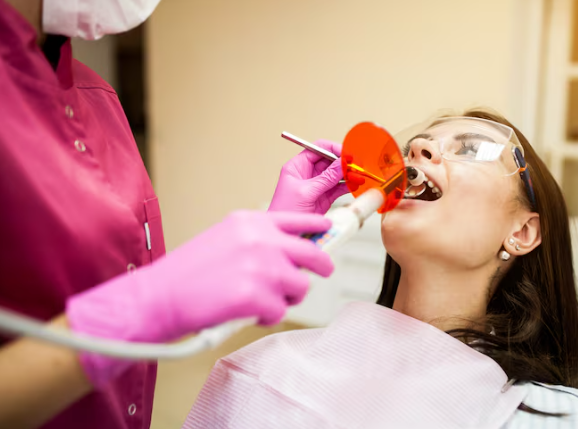
Laser dentistry uses concentrated light energy for selected dental procedures. Depending on the laser system and treatment approach, it may be used to address soft tissue, reduce bacterial contamination, or assist with the removal of unhealthy tissue. Around dental implants, laser therapy may be incorporated into treatment intended to control inflammation and improve the condition of the tissues surrounding the implant.
The exact role of laser treatment depends on the patient’s clinical condition. It may be used alongside mechanical debridement and other periodontal procedures rather than as an independent treatment. The goal is to address the bacterial and inflammatory factors contributing to disease while supporting the health of the surrounding tissues.
Potential roles of laser therapy around implants may include:
Laser treatment should be selected according to the individual clinical situation. The type of laser, treatment settings, location of inflammation, amount of bone loss, and condition of the implant all influence how therapy is planned. A professional evaluation is necessary before determining whether laser therapy is appropriate.
A common misunderstanding is that laser therapy alone can eliminate peri-implantitis. In practice, successful management requires attention to the factors contributing to inflammation and infection. Professional assessment, removal of bacterial deposits, oral hygiene, and continuing maintenance can all be important parts of care.
The first step is usually determining what is happening around the implant. The dental team may assess gum condition, bleeding, pocket depth, plaque accumulation, the implant restoration, and supporting bone. Dental imaging may be recommended when bone changes need to be evaluated. Once the condition has been assessed, treatment can be selected according to the patient’s needs.
A treatment plan may involve:
This combination is important because bacteria can return if plaque control is inadequate. A clean treatment site still needs consistent home care and professional maintenance. Patients should also follow any specific instructions provided by their dental team after treatment.
An evaluation begins with a discussion of symptoms and oral health history. The dental professional may ask about bleeding, swelling, discomfort, changes around the implant, and cleaning habits. The implant and surrounding gum tissues are then examined for signs of inflammation or infection. Depending on the findings, measurements and dental imaging may be used to evaluate the condition of the supporting bone.
The implant restoration itself may also need to be assessed. A poorly fitting or difficult-to-clean restoration can make plaque control more challenging. Identifying these factors can help determine why inflammation is occurring and what changes may be needed. Treatment should address both the active disease and the conditions that could contribute to recurrence.
Dental implant maintenance does not end once an implant has been placed and restored. Regular professional examinations allow the dental team to monitor the condition of the implant and surrounding tissues. These visits can help identify changes before they become more advanced. Home care is equally important because daily plaque control reduces the bacterial buildup that can contribute to inflammation.
Patients with implants should follow a consistent oral hygiene routine recommended by their dental professional. This may include brushing twice daily and cleaning between teeth with tools appropriate for the implant and surrounding restoration. Some patients may benefit from specialized interdental brushes, flossing techniques, or other cleaning aids. The appropriate method depends on the design of the implant restoration and the patient’s individual needs.
Important implant maintenance habits include:
There is no single method that guarantees prevention of peri-implantitis, but good oral hygiene and professional monitoring can reduce factors associated with inflammation. Plaque control is particularly important because bacteria can accumulate around implant-supported restorations. Patients should also maintain routine dental visits after implant treatment rather than waiting until symptoms develop.
Risk assessment may also be part of implant maintenance. A history of periodontal disease, difficulty maintaining plaque control, smoking, and certain systemic or local factors may affect oral health and should be discussed with a dental professional. Addressing these factors can support healthier tissues around the implant.
Patients should seek an evaluation if they notice:
Early evaluation does not necessarily mean extensive treatment will be required. It gives the dental team an opportunity to determine the cause of the problem and recommend appropriate care.
Laser therapy can be a useful component of selected periodontal and implant treatments, but it should be viewed within the larger context of implant care. Treating inflammation without addressing plaque accumulation or contributing factors may not provide lasting control. Professional cleaning, appropriate home care, and ongoing monitoring remain essential.
The suitability of laser therapy also varies from patient to patient. Some cases may be managed with nonsurgical periodontal treatment and improved hygiene, while more advanced disease may require additional procedures. Your dental professional can determine the most appropriate treatment based on the condition of the implant and surrounding bone and tissues.
For patients interested in both dental and facial aesthetic services, dermal filler injections are another treatment offered within a broader range of oral and aesthetic care. These services address different concerns and should be evaluated separately according to individual needs.
After treatment, patients may receive specific instructions for cleaning the treated area and managing temporary sensitivity or tenderness. The dental team may also recommend a follow-up appointment to evaluate healing and monitor the tissues around the implant. Follow-up is particularly important when bone loss or significant inflammation has been identified.
The long-term goal is to control inflammation and maintain a healthy environment around the implant. This requires cooperation between professional care and daily home hygiene. Patients should not wait for severe pain before scheduling an examination because peri-implant disease may progress without significant discomfort in some cases.
Peri-implantitis requires careful assessment because inflammation around an implant can affect the tissues and bone responsible for supporting it. Laser therapy may have a role in selected cases, particularly as part of a broader treatment plan that includes professional debridement and infection control. It should not be viewed as a substitute for diagnosis, proper oral hygiene, or continuing implant maintenance.
If you have noticed bleeding, swelling, discomfort, or other changes around a dental implant, professional evaluation can help determine what is causing the problem. A dental team can assess the condition of the surrounding tissues and recommend treatment based on the findings. To discuss your implant concerns or schedule an evaluation, contact Implant Oral Surgery & Aesthetics.
Peri-implantitis can affect the gum tissue and supporting bone around a dental implant, making early evaluation and ongoing maintenance important. Laser therapy may be incorporated into treatment for selected patients, particularly when used alongside professional debridement, bacterial control, oral hygiene, and follow-up care. The right treatment depends on the condition of the implant and surrounding tissues rather than on one procedure alone.
Maintaining healthy tissues around an implant requires consistent care after treatment as well as regular professional monitoring. If you experience bleeding, swelling, discomfort, or other changes around a dental implant, an examination can help identify the cause and determine the appropriate next step. Professional implant care can support the long-term health and function of your restoration.
Laser treatment for peri-implantitis uses dental laser technology as part of selected treatment plans for inflammation and infection around dental implants. Depending on the clinical situation, laser therapy may help target bacteria or treat affected soft tissue. It is generally considered alongside other measures such as professional debridement and improved oral hygiene.
Laser therapy should not be considered a guaranteed standalone cure for peri-implantitis. Treatment depends on the severity of inflammation, bone loss, implant condition, oral hygiene, and other factors. Laser therapy may be used as an adjunct to professional periodontal and implant treatment when appropriate.
Signs can include bleeding, swollen or red gums, tenderness, bad breath, discharge, gum recession, or changes around an implant. Bone loss may also occur without causing obvious symptoms. Regular professional examinations can help identify changes that may not be noticeable at home.
Advanced peri-implantitis can cause loss of bone supporting an implant, which may compromise implant stability. The risk depends on the severity and progression of the condition. Early assessment and appropriate treatment can help manage inflammation and protect the supporting tissues.
Daily plaque control and regular professional implant maintenance are important. Brush your teeth consistently, clean around the implant restoration using recommended techniques, and attend scheduled dental examinations. Contact your dental professional promptly if you notice bleeding, swelling, discharge, discomfort, or other changes around an implant.